
Hubei wingnut
Pterocarya hupehensis
Description
Growing requirements
The Hubei wingnut (Pterocarya hupehensis) is a deciduous tree species belonging to the walnut family, Juglandaceae. It is native to central China, specifically found in the Hubei province, where it thrives in moist, riparian habitats.
This species requires deep, fertile, and consistently moist soil to achieve its full growth potential. It is highly sensitive to drought conditions, making it an ideal candidate for planting along the edges of ponds, streams, or low-lying areas in a landscape.
Climatically, the tree prefers temperate regions with reliable rainfall. While it can adapt to various conditions once established, it requires protection from harsh, drying winds and late spring frosts that can damage tender new growth in the early stages.
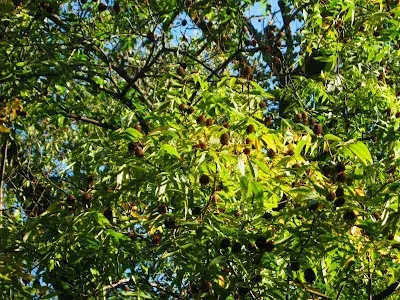
Botanically, it is recognized by its pinnately compound leaves and long, pendulous catkins that appear in spring. The tree typically develops a spreading, wide-reaching crown, requiring significant space for mature specimens to display their full aesthetic value.
In terms of utilization, the Hubei wingnut is primarily used for its ornamental value in arboretums and large public parks. It is appreciated by botanists and garden enthusiasts for its rarity and its elegant, fern-like foliage that provides excellent shade.