
Caucasian wingnut
Pterocarya fraxinifolia
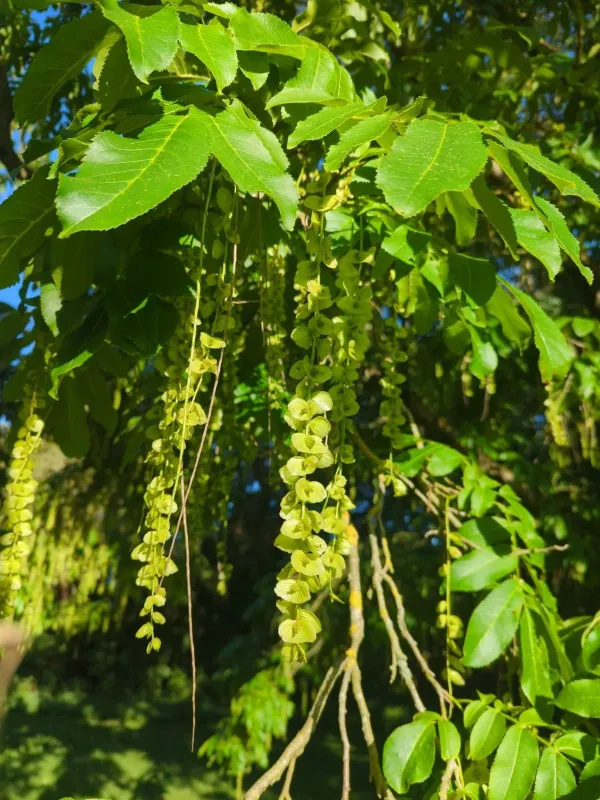
Description
Sowing dates
Propagation of Pterocarya fraxinifolia is primarily done through seeds, which require a cold stratification period to break dormancy and ensure high germination rates.
Sowing in autumn is the most recommended method, as the seeds naturally experience the necessary low temperatures during the winter months in the soil.
For spring sowing, seeds must be stratified in moist sand at temperatures ranging from 1 to 5 degrees Celsius for approximately three months before planting.
Young seedlings should be transplanted to their permanent location in early spring, ensuring the site is well-prepared and provides enough space for root development.
Vegetative propagation via root suckers is also possible and is often used to multiply desirable specimens for landscaping and reforestation projects.
Growing requirements
The Caucasian wingnut belongs to the Juglandaceae family and is native to the Caucasus region, Iran, and parts of the Middle East, typically found in riparian zones.
This tree has a high demand for moisture and thrives in deep, fertile, and alluvial soils, showing a remarkable tolerance for periodic waterlogging of the root zone.
It prefers warm temperate climates and, while hardy, young trees should be protected from harsh, drying winds and late spring frosts to avoid stem damage.
Light requirements are flexible, but the tree performs best and develops a more symmetric canopy when grown in full sun or light partial shade.
The species is sensitive to dry, sandy soils and poor drainage, which can lead to reduced vigor and stunted growth compared to its optimal riparian habitat.
Yield
The primary value of Pterocarya fraxinifolia lies in its fast growth rate and ornamental quality, making it an excellent candidate for urban forestry and parks.
Its wood is light and relatively soft, which limits its use in structural engineering but makes it suitable for woodworking, interior cabinetry, and paper pulp.
The tree provides ecological benefits, such as rapid soil stabilization along riverbanks and protection against erosion due to its extensive root system.
Industrial applications include the harvesting of bark and leaves, which are rich in tannins traditionally used in the leather tanning process.
The unique, long, pendulous catkins bearing winged nutlets add significant seasonal interest, increasing the tree's value in specialized landscape design.
Main diseases and pests
The species is generally robust but can be susceptible to fungal diseases such as leaf spots and bark cankers, particularly in stagnant, humid environments.
Root rot is a potential risk if the soil lacks proper drainage, despite the tree's love for moisture, making soil aeration a critical factor in management.
Insect pests such as aphids and leaf-eating beetles may cause aesthetic damage or weaken young trees, requiring timely application of targeted insecticides.
Sanitation practices, including the removal and destruction of infected wood, are essential to control the spread of pathogens throughout a plantation.
Maintaining a healthy, well-nourished tree through proper fertilization and regular inspections is the most effective way to prevent significant pest infestations.