
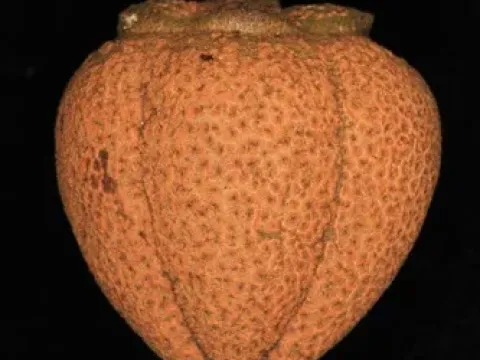
Vatica maingayi
Vatica maingayi
Vatica maingayi is a significant species belonging to the Dipterocarpaceae family, native to the humid tropical forests of Southeast Asia, particularly in Malaysia and Indonesia.
What the section contains
Vatica maingayi
The tree requires a tropical climate with high, consistent rainfall and warm temperatures throughout the year to achieve optimal physiological development.
Regarding soil requirements, the species thrives in deep, well-draining clay-loam soils that provide both stability for its root system and adequate moisture retention.
The cultivation of this species is primarily handled through silviculture, where specific canopy management is applied to ensure seedlings receive sufficient filtered light.
Water management is critical, as Vatica maingayi exhibits poor tolerance to prolonged waterlogging, requiring well-drained terrain to avoid root rot diseases.
The economic utilization of Vatica maingayi is focused on its high-quality timber, which is dense, durable, and naturally resistant to biological decay.
The timber is widely valued in construction and furniture manufacturing, where it serves as a high-performance alternative to more common but less durable wood.
Beyond wood, the species is occasionally harvested for resinous exudates, which have traditional applications in local medicinal practices and varnishing industries.
The growth rate is relatively slow, characteristic of many tropical hardwoods, which necessitates long-term management strategies for sustainable yield.
Harvesting strategies are based on selective logging practices, ensuring that only mature trees are extracted while maintaining the ecosystem's integrity.
The species faces biological threats primarily from fungal pathogens that affect the root systems, especially in areas with poor drainage or stagnant water.
Insect pests, including various boring beetles, pose a risk to the structural integrity of the timber by creating galleries within the wood during the tree's growth.
Habitat loss due to large-scale agricultural land conversion, particularly for palm oil plantations, remains the most severe threat to its natural population.
Climate change, manifesting as erratic drought periods, inhibits the natural regeneration cycle and reduces the viability of newly germinated seeds.
Mitigation efforts involve maintaining ecological corridors and applying integrated pest management in managed forest areas to support the tree's long-term health.