
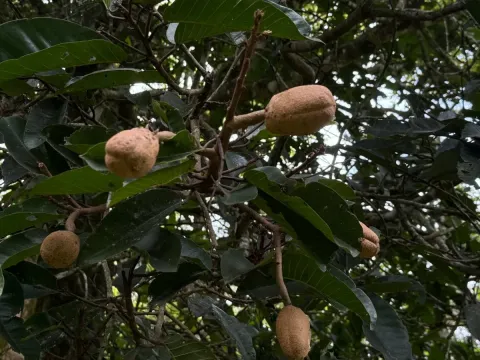
Vateria
Vateria
Vateria is a genus of evergreen tropical trees belonging to the Dipterocarpaceae family. The most prominent species is Vateria indica, which is native to the evergreen forests of the Western Ghats in India.
What the section contains


Vateria
The culture thrives in humid tropical conditions characterized by high annual rainfall and consistently warm temperatures. These trees prefer deep, fertile, and well-drained soils typical of hilly or mountainous regions.
Botanically, Vateria is adapted to the dense forest canopy. While saplings are somewhat shade-tolerant, they require significant light exposure as they mature to develop robust trunks and high-quality timber.
Cultivation practices primarily focus on silviculture, as the trees require many years to reach maturity. Establishing plantations requires carefully prepared soil substrates and strict moisture control during the initial stages.
The species is highly sensitive to hydrological fluctuations. Maintaining high ambient humidity and soil moisture levels is critical for successful cultivation, as drought stress can be fatal to young specimens.
The primary economic use of Vateria is the extraction of a valuable resin, commonly known as Indian copal or dammar. This resin is harvested through carefully controlled tapping of the tree trunks.
Vateria timber is widely utilized in furniture production and construction due to its moderate hardness and natural resistance to rot, provided that the wood is sourced through sustainable harvesting methods.
Seeds of the Vateria tree are processed to extract a specific type of vegetable fat. This butter-like substance is increasingly valued in the cosmetics and pharmaceutical industries for its stable chemical composition.
Yields of fruit and resin are dependent on tree age and environmental conditions. Because the plant has a slow growth rate, the commercial exploitation phase is a long-term economic commitment.
Modern agronomic research is focused on maximizing the extraction of natural products without damaging the vascular system of the tree, thereby ensuring the longevity and health of the plantation.
Major threats to Vateria include deforestation and habitat fragmentation. These anthropogenic pressures restrict natural regeneration and lead to a significant decline in the wild population of the species.
Pathological concerns involve fungal infections that can compromise wood quality, especially in areas with excessive moisture or where the bark has been damaged by human or environmental factors.
Various insect pests, such as seed-boring beetles and wood-boring larvae, represent a substantial challenge for both wild seed production and nursery management of new saplings.
Climate change, particularly the increase in extreme drought events, poses a severe risk. Such conditions weaken the trees' immunity, making them more susceptible to secondary infections and infestations.
To mitigate these risks, integrated forest management strategies are essential. These include monitoring tree health, maintaining appropriate stand density, and performing regular sanitary operations to remove infected plants.