
Shorea worthingtonii
Shorea worthingtonii
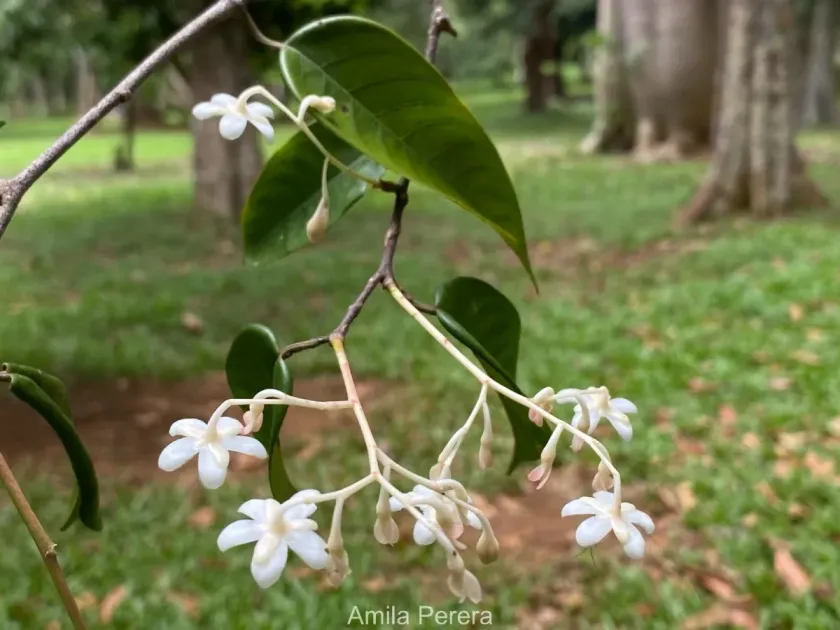
Description
Growing requirements
Shorea worthingtonii is a large tropical tree species belonging to the Dipterocarpaceae family. It is endemic to the moist tropical forests of Sri Lanka.
The culture requires a consistently hot and humid climate. It favors deep, well-drained soils that retain sufficient moisture to support its growth throughout the year.
The plant is highly sensitive to microclimate shifts and the destruction of primary forest habitats. In its juvenile stage, it requires shade protection typical of the understory.
Biologically, this species is characterized by a very slow growth rate, which contributes to the formation of exceptionally dense and high-quality timber.
Management practices for this species focus on preserving forest floor integrity. Due to its slow development, large-scale commercial cultivation remains challenging and rare.
Main diseases and pests
The primary threat to the species is the rapid degradation of its natural habitat due to deforestation. This has led to a significant contraction of its wild population.
Pests such as bark beetles pose a significant risk, particularly to trees stressed by environmental changes. Fungal infections can also impact the long-term health of the bark.
Human activities, including illegal timber harvesting, jeopardize the survival of this species. Reforestation efforts are complicated by the specific biological requirements of the seeds.
Young trees suffer from low competitive ability against invasive flora in cleared forest areas, which hampers natural regeneration processes.
The recalcitrant nature of the seeds, which lose viability quickly upon drying, makes standard forestry propagation methods largely ineffective without specialized techniques.