
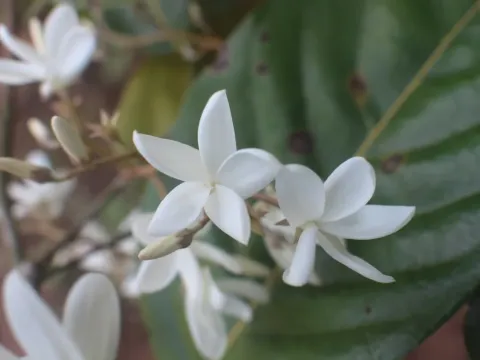
Vatica affinis
Vatica affinis
Vatica affinis is an evergreen tree belonging to the Dipterocarpaceae family. This species is a typical representative of tropical rainforests, requiring high humidity levels throughout the entire year.
What the section contains
Vatica affinis
The plant prefers deep, well-drained alluvial soils rich in organic matter. It is extremely sensitive to prolonged periods of drought and requires stable temperatures without significant fluctuations.
In its natural habitat, the tree grows under a dense forest canopy, where young saplings need partial shade to thrive. As the tree matures, it requires sufficient light exposure for full canopy development and biomass accumulation.
Cultivation requires careful site selection, ensuring protection from strong winds that can damage young foliage. The soil should ideally have a slightly acidic pH, which is typical for the forest soils of Sri Lanka and surrounding regions.
The economic use of the species focuses on harvesting high-quality hardwood, which is traditionally valued in local construction. Additionally, the tree plays a vital role in maintaining the integrity of tropical forest ecosystems.
The main threats to Vatica affinis include fungal infections that affect the root system under conditions of waterlogging or stagnant water. Excessive soil moisture triggers the development of root rots.
Pests typical for the region include various weevils and bark beetles that may attack the trunks of stressed trees. Regular monitoring of the bark condition is essential to identify and manage early signs of infestation.
Human activity remains the primary threat: the fragmentation of forest habitats leads to a decrease in the population of the species. Illegal logging in natural growth areas puts this tree at risk of extinction.
Climate change, manifesting in unpredictable rainfall patterns, also negatively impacts the regeneration of the culture. Unstable precipitation disrupts the maturation cycle of seeds and their subsequent germination.
Conserving the species requires the implementation of sustainable forestry practices and the protection of existing natural growth sites. Agronomic efforts include the establishment of protective forest belts.