
Shorea laevis
Shorea laevis
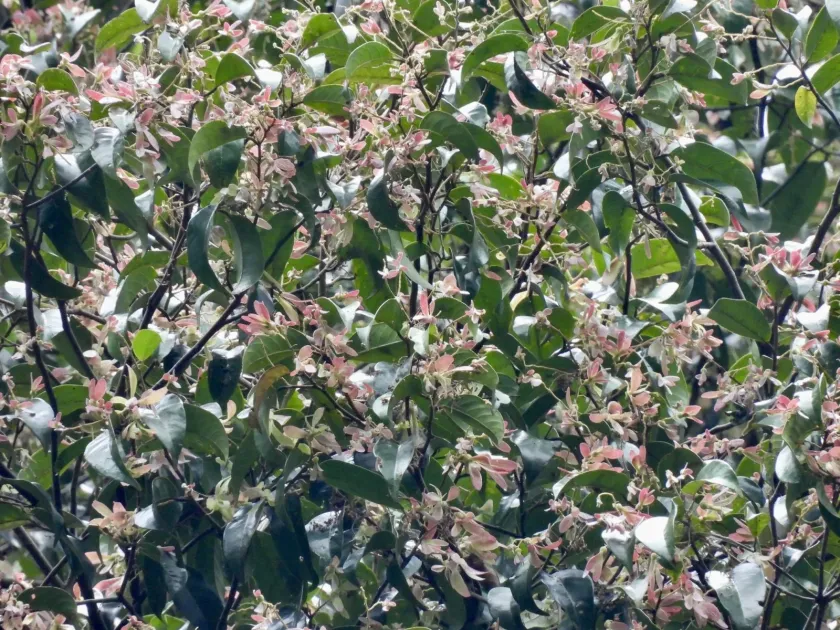
Description
Growing requirements
Shorea laevis is a large, evergreen tree species belonging to the Dipterocarpaceae family. It is native to the tropical rainforests of Southeast Asia, where it thrives in warm, humid environments characterized by consistent rainfall throughout the year.
The tree requires a tropical climate with temperatures typically ranging between 24 and 28 degrees Celsius. High humidity levels are essential for its physiological functions, especially during the juvenile stage of development.
Regarding soil, Shorea laevis prefers deep, well-draining clay-rich soils. While it can adapt to various tropical terrain conditions, it avoids areas prone to prolonged waterlogging, which can compromise the root system's health.
Botanically, it is a dominant canopy species, often reaching heights exceeding 60 meters. Its growth pattern is slow, reflecting the stability and longevity characteristic of primary tropical forest giants.
The species is primarily cultivated for its high-density, durable timber, commercially known as Bangkirai. This wood is highly valued in international markets for its strength, resistance to decay, and natural resilience against biological pests.
Yield
Yield for Shorea laevis is measured in terms of high-quality timber production per hectare. Due to the tree's slow growth rate, the rotation cycle for harvesting usually spans several decades, requiring careful long-term management.
Yield potential is optimized through precise silvicultural techniques, including appropriate spacing and thinning regimes. These practices ensure that individual trees have sufficient space to maximize their diameter and biomass accumulation.
The resulting timber is sought after for heavy-duty outdoor applications, including decking, structural bridge components, and marine construction. Its physical properties ensure minimal warping and high dimensional stability.
Sustainable yield management emphasizes the importance of maintaining forest cover while selectively harvesting mature trees. This approach balances economic return with the ecological necessity of forest regeneration.
Financial yields from Shorea laevis plantations are considered long-term investments. The superior quality of the heartwood commands a premium price, justifying the extended period between planting and maturity.
Main diseases and pests
The primary threats to young Shorea laevis plantations include browsing by rodents and small mammals that can cause significant damage to the bark and buds. Protective measures are crucial during the establishment phase.
Root rot pathogens represent a major health challenge, particularly in soil with poor drainage. Once established, these diseases can weaken the structural integrity of the trees, leading to windthrow and mortality.
Boring insects can pose a significant threat to timber quality by creating galleries in the wood. Early detection and proactive forest hygiene, including the removal of infested material, are necessary to prevent outbreaks.
Environmental stress, such as prolonged drought induced by changing climate patterns, exacerbates susceptibility to pests. Maintaining tree vigor through proper site selection and management is the best defense strategy.
- Implementation of early warning systems for pest outbreaks
- Application of sustainable forest management guidelines
- Regular monitoring of soil moisture and drainage health