
Shorea leprosula
Shorea leprosula
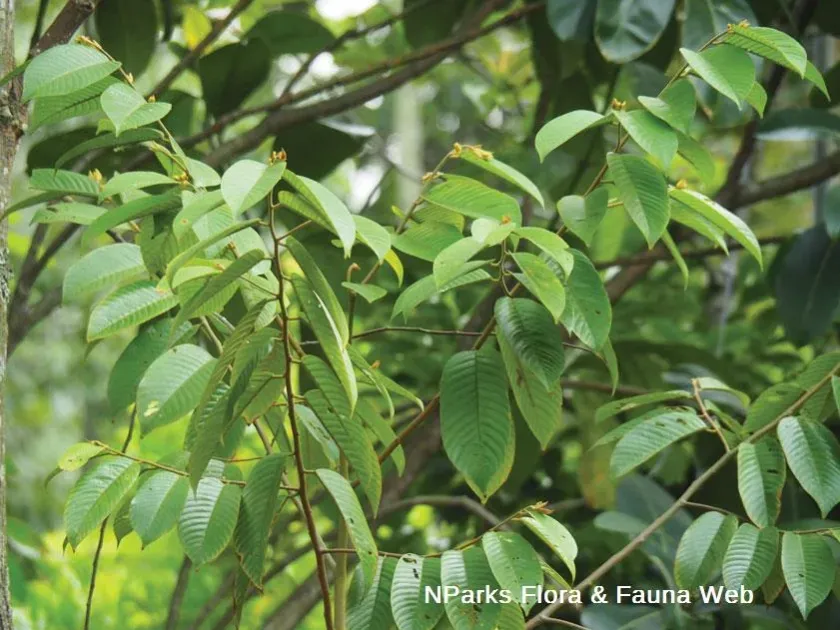
Description
Sowing dates
Shorea leprosula is a significant member of the Dipterocarpaceae family, widely recognized for its potential in fast-growth forestry.
The seeds are recalcitrant, meaning they lose viability quickly and must be sown immediately after collection to ensure high germination rates.
Sowing is typically performed in nursery containers using a well-draining soil mix rich in organic matter to foster healthy root development.
The timing of sowing is critical and is usually coordinated with the end of the fruiting season to maximize the use of fresh material.
Seedlings are nurtured in a controlled environment until they are robust enough to withstand the competitive conditions of a natural or managed forest.
Growing requirements
This species thrives in lowland tropical rainforest environments characterized by consistent high temperatures and abundant rainfall.
Deep, well-drained soils, such as alluvial plains or fertile clay soils, are essential for the long-term success of Shorea leprosula plantations.
It requires ample sunlight to achieve its maximum growth rate, though young saplings benefit from partial shade during their establishment phase.
The species is intolerant of extended drought and waterlogged conditions, making site selection based on topography and drainage a priority.
Successful cultivation requires a climate without a distinct dry season, ensuring that the moisture needs of the tree are met throughout the year.
Yield
Shorea leprosula is one of the fastest-growing dipterocarps, which makes it a preferred species for reforestation and commercial timber initiatives.
Growth rates can be remarkably high under optimal conditions, allowing for shorter rotation periods compared to other hardwoods.
The wood produced is internationally valued as "light red meranti," a versatile timber used for interior construction, furniture, and plywood.
Yields are maximized through careful spacing and thinning operations that allow dominant trees to develop large, healthy trunks.
Economic productivity is further improved by applying appropriate silvicultural techniques during the first decade of the stand's development.
Main diseases and pests
Fungal infections of the root system are the most significant threat, often triggered by poor drainage or excessive soil moisture levels.
Pests such as shoot borers and defoliating insects can significantly impact the growth rate and quality of young trees in nurseries and plantations.
Competition from invasive weeds and fast-growing pioneer shrubs requires active management to prevent the suppression of younger seedlings.
Monitoring for signs of infestation and maintaining tree vigor through thinning are key strategies to minimize losses from disease and insects.
- Root rot pathogens
- Shoot and stem borers
- Foliage-feeding insects
- Resource competition from weeds
Harvesting
Timber harvest involves selective logging of mature trees that have reached the required diameter and quality standards for commercial use.
Post-harvest management involves immediate processing, including sawing and kiln-drying, to prevent degradation of the wood's structural integrity.
The versatility of its timber makes it a staple in global wood markets, supporting both local and international construction industries.
Sustainable harvesting practices are encouraged to ensure that the regeneration of the forest is balanced with production needs.
After the harvest, sites are often prepared for the next rotation, reinforcing the cycle of sustainable forest management for this species.