
Shorea lamellata
Shorea lamellata
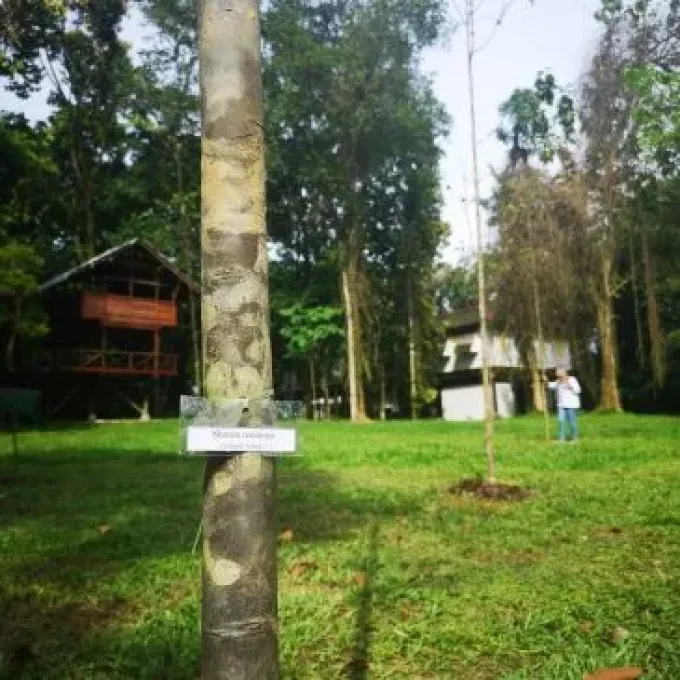
Description
Growing requirements
Shorea lamellata is a prominent member of the Dipterocarpaceae family, native to the tropical rainforests of Southeast Asia. This evergreen tree species is highly adapted to humid equatorial environments, where it plays a critical role in forest canopy formation and carbon sequestration.
The tree thrives in regions with consistent rainfall throughout the year, as it lacks a specialized mechanism to tolerate prolonged drought. Optimal growth is observed in well-drained, nutrient-rich soils that allow for extensive root development and effective nutrient uptake.
Temperature stability is a fundamental requirement for the species. Exposure to temperature fluctuations or cold stress can severely impede its physiological processes and growth rate, which is why it is strictly confined to tropical latitudes with high mean annual temperatures.
Regarding light, Shorea lamellata exhibits different needs throughout its life cycle. Seedlings and young trees often benefit from the protection of the upper canopy, but as they reach maturity, they require significant sunlight exposure to maintain high photosynthetic productivity.
The soil ecology, particularly the presence of native mycorrhizal fungi, is essential for the tree's health. Sustainable cultivation efforts must prioritize maintaining the integrity of the forest floor to ensure the long-term viability of the plantations and the health of the individual trees.
Harvesting
Harvesting Shorea lamellata involves long-term forestry cycles, reflecting the slow growth rate of this valuable species. Timber extraction is generally performed using selective logging techniques, which are designed to minimize ecological impact and maintain forest structure.
The decision to harvest is primarily based on the diameter of the trunk and the tree's overall condition, ensuring that only mature specimens are selected. Sustainable management practices dictate that harvesting rates should not exceed the natural regeneration rate of the population.
The timber produced from this species is highly valued for its durability, structural integrity, and aesthetic qualities. It is commonly utilized in heavy construction, high-end furniture manufacturing, and interior architectural finishes due to its resistance and workability.
Post-harvesting operations focus on reforestation and the protection of young saplings. This is vital to prevent soil erosion and to ensure that the genetic pool of the local forest is preserved for future generations, maintaining the ecosystem's resilience against climate change.
Economic assessment of the yield considers both the volume and the quality of the harvested logs. By adhering to strict forest management standards, producers can ensure the continued availability of this high-quality resource while simultaneously preserving the biodiversity of the tropical environment.