
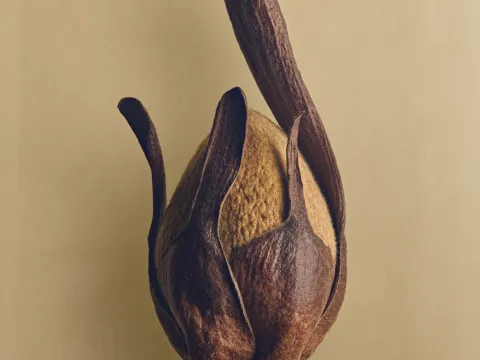
Shorea fallax
Shorea fallax
Shorea fallax belongs to the Dipterocarpaceae family and is a prominent tropical hardwood species. Its natural range is restricted to the humid tropical rainforests of Borneo and surrounding regions in Southeast Asia, where it forms an integral part of the forest structure.
What the section contains
Shorea fallax
The culture requires a stable equatorial climate characterized by high humidity and consistent rainfall throughout the year. It does not tolerate dry seasons, and the ideal annual temperature is consistently above +24°C, supporting rapid metabolic activity in the canopy.
This species thrives in deep, well-drained alluvial or latosol soils rich in organic matter. While it loves moisture, waterlogging in the root zone is detrimental to the tree's health and can lead to rapid decline in plantation settings.
Biologically, young Shorea fallax trees are shade-tolerant, requiring protection from direct sunlight during their early developmental stages. As the tree matures, it forms a massive, spreading crown that is a competitive participant in the upper layers of the forest canopy.
The tree is primarily cultivated for its high-quality timber, which is commercially categorized under the red meranti group. The wood is valued for its strength, workability, and durability, making it an essential material for high-end furniture manufacturing and construction.
Fungal pathogens represent the most significant threat to Shorea fallax plantations, especially in poorly drained soils where root rot is common. These infections can be devastating for seedlings in nursery conditions, leading to high mortality rates.
Various wood-boring insects and xylophagous beetles pose a continuous risk to mature trees. By tunneling into the heartwood, these pests degrade the quality of the timber and leave the tree vulnerable to secondary bacterial and fungal colonization.
Deforestation and habitat fragmentation significantly endanger the natural genetic pool of this species. Large-scale logging activities have reduced wild populations, making reforestation efforts using Shorea fallax critical for biodiversity conservation.
Invasive weed species often outcompete young Shorea fallax saplings, depriving them of essential sunlight and nutrients. Foresters must implement proactive maintenance, such as manual clearing and strategic spacing, to foster healthy growth.
Given the high ecological value of tropical rainforests, chemical pesticides are strictly limited. Integrated Pest Management (IPM) strategies, focusing on site selection and hygiene, are preferred over synthetic interventions to protect the surrounding environment.