
Shorea glauca
Shorea glauca
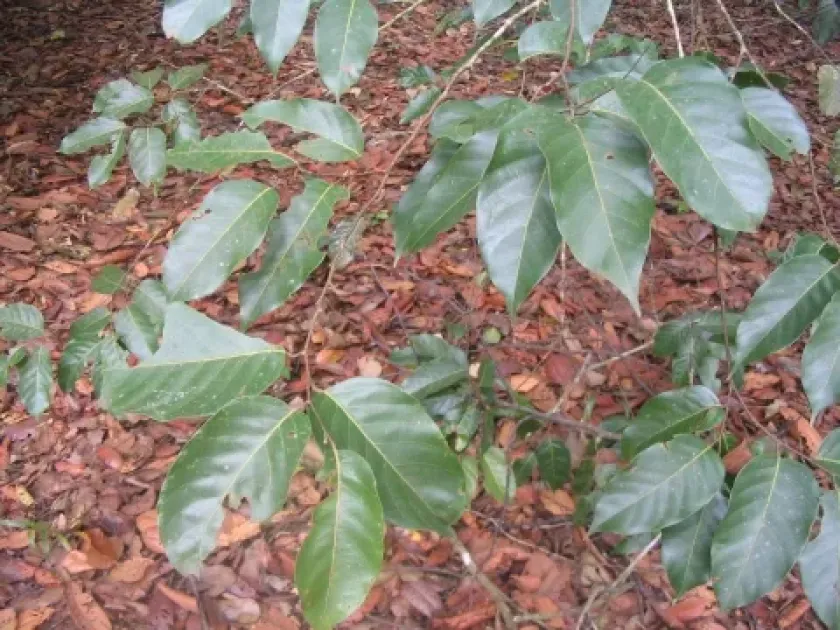
Description
Growing requirements
Shorea glauca, commonly known as a member of the Dipterocarpaceae family, is a majestic tropical tree species indigenous to the rainforests of Southeast Asia. It is highly regarded for its dense, heavy, and structurally robust wood.
The tree thrives in tropical climates characterized by high annual precipitation and consistent heat. It is native to regions where environmental conditions remain stable, ensuring year-round growth and biological activity.
Optimal soil requirements include well-drained, nutrient-rich substrates such as deep alluvial soils. Waterlogging is particularly detrimental to this species, as it often leads to root decay and inhibits the tree's development.
In forestry management, Shorea glauca is classified under the trade name Balau. Its timber is prized for its high resistance to rot and termites, making it a preferred material for heavy-duty marine construction, bridge decking, and high-quality flooring.
Silvicultural practices focus on maintaining forest cover to ensure the longevity of the population. Given the slow growth rate of the species, reforestation efforts require careful site selection and protection from invasive competitor species.
Main diseases and pests
The primary threat to Shorea glauca populations is habitat loss caused by deforestation and the conversion of primary tropical forests into palm oil or other intensive agricultural plantations.
Fungal pathogens represent a significant biological threat, often attacking the root system or the cambium layer when the trees are exposed to excessive humidity or poor soil aeration.
Specific wood-boring insects and defoliating caterpillars pose risks to younger plants, often reducing the overall vigor of nursery-grown stock intended for forest restoration projects.
Climate change effects, specifically shifting precipitation patterns and prolonged dry spells, negatively impact the reproductive success and seedling survival of these sensitive tropical trees.
Over-harvesting of mature specimens without adequate replacement strategies has led to a fragmented distribution, which threatens the genetic diversity and long-term viability of the species in the wild.