
Shorea foxworthyi
Shorea foxworthyi
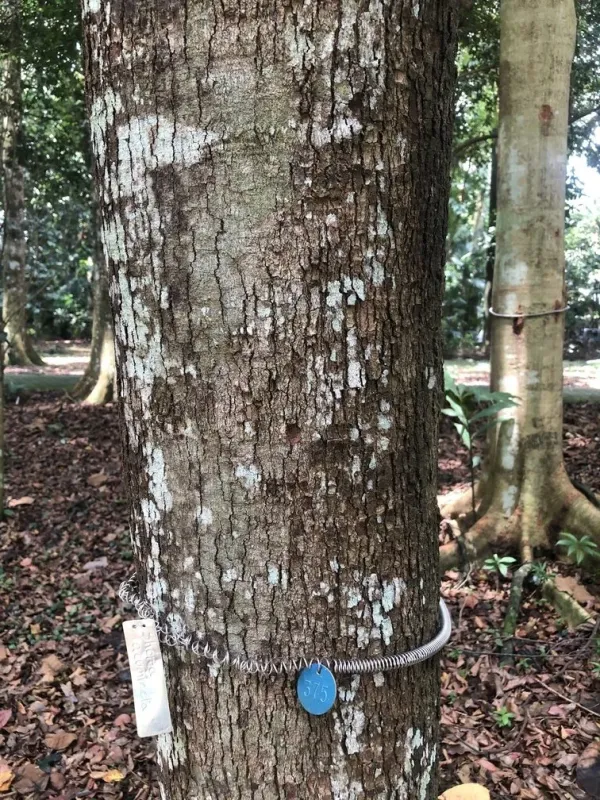
Description
Growing requirements
Shorea foxworthyi is a prominent large evergreen tree species belonging to the Dipterocarpaceae family. It is a vital component of the lowland tropical rainforests in Southeast Asia, known for its majestic stature and ecological significance.
The species thrives in areas with consistent tropical climates, characterized by high humidity and year-round rainfall. It typically establishes itself in well-drained clay soils, which are common in its native Malaysian habitats.
Regarding silviculture, the tree requires specific environmental conditions to reach its full potential. It is sensitive to waterlogging, making proper site selection and soil drainage critical factors for successful plantation establishment.
Light management is another crucial aspect of its growth. While mature trees are canopy-emergent and require full sunlight, young saplings benefit significantly from partial shade, mimicking the conditions of a healthy forest floor.
Agricultural techniques for this species focus on sustainable forest management, ensuring that the development of timber resources does not compromise the biodiversity of the local ecosystem.
Yield
The primary economic output of Shorea foxworthyi is its high-quality, dense timber, which is commercially categorized as a type of Balau. This wood is highly prized for its durability, strength, and resistance to environmental stress.
The timber is predominantly used in heavy construction projects, including bridge building, marine structures, and industrial flooring. Its ability to withstand harsh external conditions makes it a premium material in the hardwood market.
Yield metrics are evaluated based on the volume of merchantable timber harvested at the end of a long-term maturity cycle. Improved silvicultural practices are employed to maximize the growth rate and quality of the tree trunks.
Besides structural applications, the timber is sought after for high-end furniture manufacturing, specifically for outdoor sets that require exceptional weather resistance and long-lasting material properties.
Modern forestry investments emphasize efficient processing methods to utilize the maximum potential of the harvested timber, contributing to the economic sustainability of tropical plantation projects.
Main diseases and pests
The health of Shorea foxworthyi stands can be compromised by various pests, particularly wood-boring insects that target the cambium and heartwood. These infestations can significantly degrade the timber quality if not managed.
Fungal pathogens pose another substantial threat, particularly in environments with poor air circulation or stagnant water. Root rot is a common issue that occurs when the soil moisture levels exceed the species' tolerance.
Mechanical damage to the bark, often occurring during maintenance or harvesting, serves as an entry point for various infections. Proactive monitoring and sanitary measures are essential for maintaining the vigor of the plantation.
External factors such as habitat fragmentation and regional climate shifts also create challenges for the survival and propagation of the species. Sustainable practices must incorporate integrated pest management strategies.
- Monitoring for wood-boring beetle activity.
- Regular assessment of soil moisture and drainage.
- Implementation of sanitary harvesting techniques.