
Shorea guiso
Shorea guiso
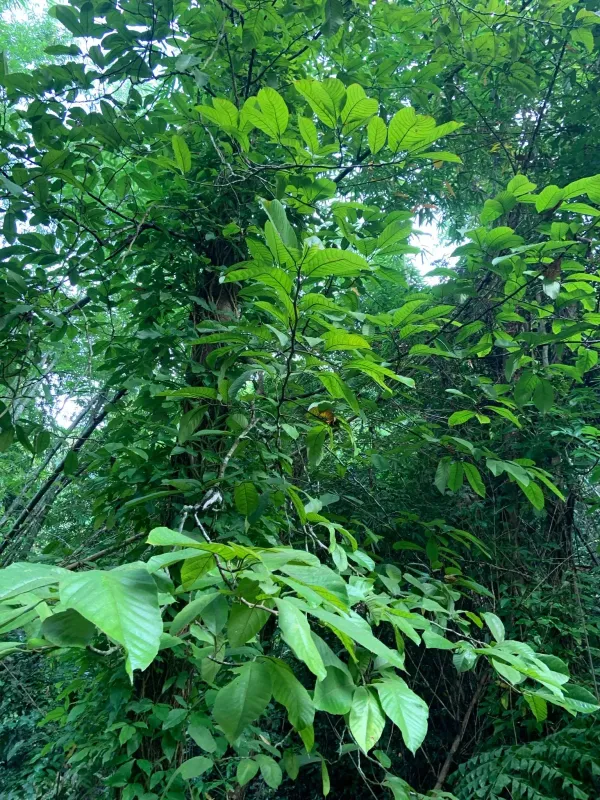
Description
Sowing dates
The propagation of Shorea guiso is primarily conducted through seeds, which must be collected and sown immediately due to their short-lived viability in natural conditions.
Seedlings are typically raised in nurseries where they receive careful attention, including shade structures to protect young plants from direct, intense sunlight during their establishment phase.
Planting out into the field is most successful at the onset of the rainy season, ensuring that the soil remains consistently moist, which is critical for successful root development.
The spacing of seedlings in a plantation setup is carefully planned to ensure optimal light interception and airflow, which promotes straight trunk development.
Site preparation involves clearing competing vegetation and ensuring the soil is adequately prepared, as the species does not compete well with aggressive weeds in its juvenile stages.
Growing requirements
Shorea guiso is a notable member of the Dipterocarpaceae family, naturally occurring in the tropical rainforests of Southeast Asia, particularly in the Philippines.
The tree thrives in climates characterized by high rainfall and high humidity, requiring an environment where there is no significant dry season that could stress the plants.
Deep, fertile, and well-drained soils are essential for the growth of this species. It prefers rich alluvial or volcanic soils that provide sufficient nutrients while preventing waterlogging.
While tolerant of some shade in the understory during early development, the species requires ample sunlight as it matures to achieve its full growth potential.
Stable, warm tropical temperatures throughout the year are vital, as the species is sensitive to cold spells and is not adapted to withstand any frost or prolonged low temperatures.
Yield
Shorea guiso is highly valued for its timber, which is marketed as a variety of red meranti, known for its density, strength, and pleasing color.
The wood is utilized in various high-end construction projects, cabinetry, and flooring, thanks to its durability and resistance to biological decay.
Economic returns are realized over a long-term harvest cycle, which reflects the slow to moderate growth rate characteristic of many dipterocarp species.
Sustainable forest management practices aim to maximize yield while maintaining the biodiversity and structural integrity of the surrounding ecosystem.
Research continues into growth-enhancing silvicultural treatments that can reduce the time required to reach a harvestable diameter without compromising timber quality.
Main diseases and pests
Root rot pathogens represent a primary threat to Shorea guiso, especially in plantations where soil drainage is inadequate or waterlogging occurs frequently.
Wood-boring insects are a major concern in tropical forestry, as they can tunnel into the trunk, significantly degrading the quality of the timber for industrial use.
Fungal leaf diseases can proliferate in stagnant, high-humidity environments, impacting the photosynthetic capacity of younger trees and slowing their initial growth.
Habitat loss due to land conversion remains the most significant threat to the long-term survival of natural populations of Shorea guiso.
- Implementation of strictly regulated silvicultural sanitation practices.
- Monitoring for early signs of stem borer activity.
- Ensuring adequate site drainage to mitigate root fungal risks.