
Shorea dasyphylla
Shorea dasyphylla
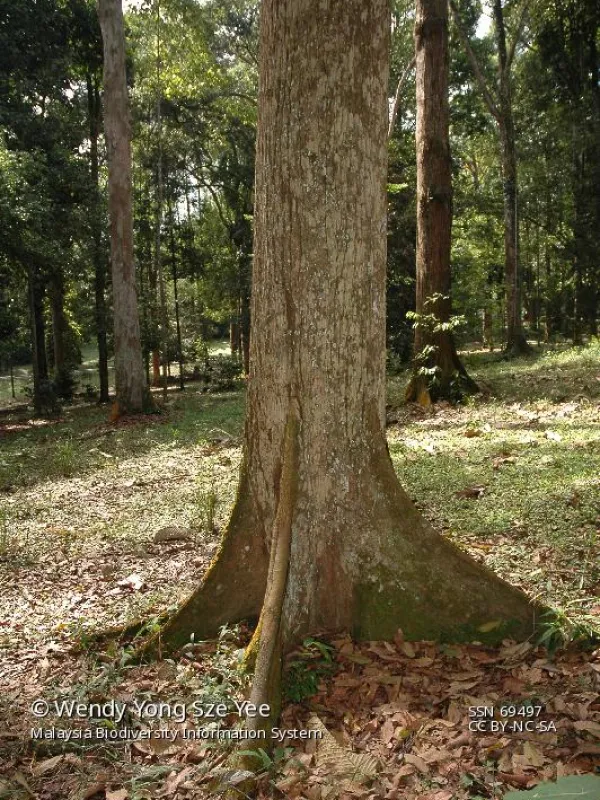
Description
Growing requirements
Shorea dasyphylla is a significant species within the Dipterocarpaceae family, native to the tropical rainforests of Peninsular Malaysia, Sumatra, and Borneo. This species is widely recognized for producing high-quality timber known as dark red meranti.
The tree thrives in lowland and hill dipterocarp forests where soil drainage is efficient. It requires a climate with high humidity, consistent rainfall throughout the year, and temperatures that rarely drop below 20 degrees Celsius, ensuring optimal growth conditions.
Botanically, it is a large emergent tree with a sturdy trunk and a broad canopy. It is characterized by slow growth rates, which contributes to the development of dense, durable wood fibers that are highly valued in the international timber market for furniture and construction.
In terms of agricultural and forestry management, seedlings require partial shade and protection from extreme solar radiation during their early developmental stages. Rich, deep, and loamy soils provide the best substrate for deep root establishment and nutritional uptake.
The economic value of this species lies in its high-density timber, which is resistant to decay when properly treated. It remains a cornerstone of sustainable forest management practices in Southeast Asian nations, where reforestation efforts are increasingly focused on such indigenous species.
Main diseases and pests
The primary threat to Shorea dasyphylla populations is the rapid loss of natural habitat due to agricultural expansion and large-scale logging operations. Deforestation poses a severe risk to the genetic diversity of this species in its wild state.
Typical pests include wood-boring beetles that target stressed or damaged trees, potentially causing significant economic loss if left unmanaged. Fungal infections, particularly root rot, can spread rapidly in plantations with poor drainage or stagnant water conditions.
Environmental stressors such as prolonged droughts, exacerbated by changing global weather patterns, significantly reduce the survival rate of natural regeneration. These stressors weaken the tree's natural defense mechanisms against insect attacks and pathogen colonization.
Monitoring the health of the stands involves checking for signs of leaf discoloration and bark damage, which indicate underlying physiological stress. Integrated pest management strategies are often employed in nursery settings to ensure the survival of young saplings before transplantation.
Conservation status requires strict adherence to international regulations regarding tropical timber trade. Protecting remaining old-growth forest corridors is essential for the long-term survival and ecological viability of this species in its native range.