
Shorea hemsleyana
Shorea hemsleyana
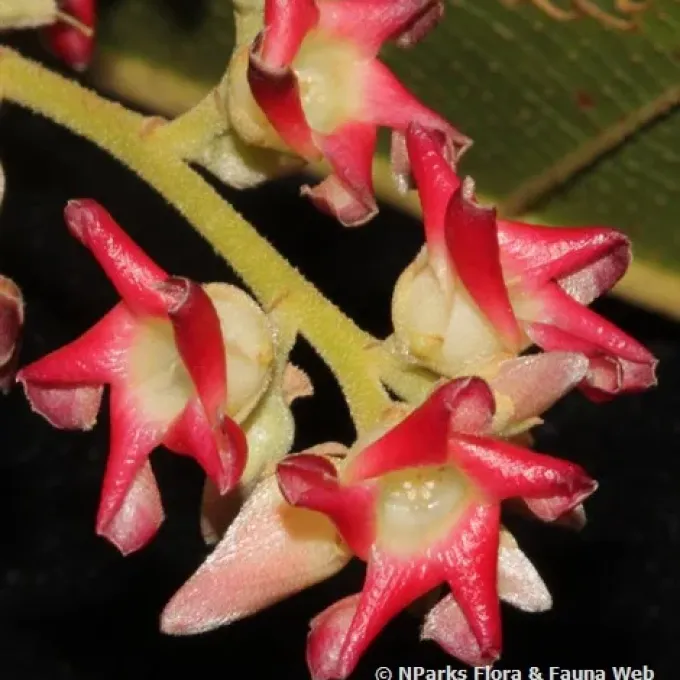
Description
Growing requirements
Shorea hemsleyana is a large tropical tree species belonging to the Dipterocarpaceae family. It is an endemic plant native to the tropical rainforests of Southeast Asia, with a primary distribution found in the Peninsular Malaysia region.
The culture requires consistently stable climatic conditions characterized by high atmospheric humidity and the absence of a distinct dry season. Ideal temperatures for healthy vegetative growth range between 24 and 30 degrees Celsius throughout the year.
This tree prefers deep, well-drained alluvial soils and is commonly found in riverine valleys or low-lying landscape areas. A fundamental requirement for its development is a nutrient-rich substrate with high organic content and protection against waterlogging.
In its natural habitat, Shorea hemsleyana occupies the upper canopy layer, indicating a high solar radiation requirement for proper crown development. Conversely, young specimens show significant shade tolerance during their early life stages.
The primary economic significance of this species lies in its high-quality timber, classified within the meranti group. Furthermore, the tree plays a critical role in maintaining tropical forest ecosystem stability and preventing soil erosion.
Main diseases and pests
The main threat to the species population is illegal logging activities and land conversion for oil palm plantations. Due to its slow growth rate, the natural regeneration of forests involving this species is significantly hindered.
While no specific large-scale epidemics are recorded, fungal infections of the root system can occur in monoculture settings. These diseases typically flourish in environments with poor soil drainage and inadequate oxygen exchange.
Common tropical pests, such as stem borers and various moth larvae, can cause damage to foliage and young terminal shoots. Agronomic management relies on continuous monitoring and maintaining the overall vitality of the stand.
Climate change and the increasing frequency of drought periods negatively impact seedling survival rates. A lack of sufficient rainfall renders the trees susceptible to opportunistic pathogens and environmental stress.
Comprehensive measures for preserving genetic diversity, such as the establishment of protected conservation areas, are essential. Agroforestry techniques may also provide pathways for preserving this species outside of its wild habitat.