
Shorea disticha
Shorea disticha
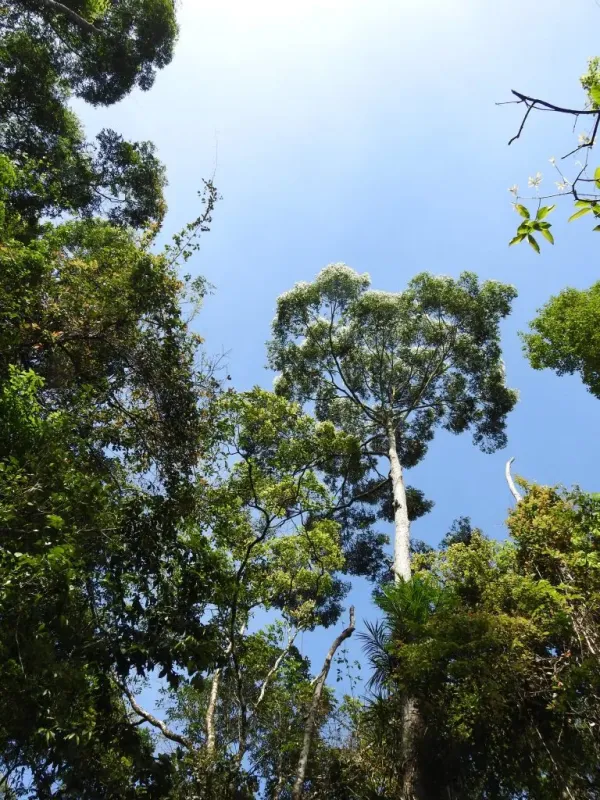
Description
Growing requirements
Shorea disticha is a large, evergreen tree belonging to the Dipterocarpaceae family. It is a rare endemic species native to the wet tropical forests of Sri Lanka, known for its slow growth rate and its significant role in the forest canopy ecosystem.
This species requires a warm, humid tropical climate with consistent temperatures throughout the year. It does not tolerate prolonged dry periods or extreme fluctuations in heat, making it highly dependent on the stability of its native rainforest microclimate.
Regarding soil requirements, Shorea disticha thrives in deep, fertile, and well-drained soils. It performs best in nutrient-rich substrates, though it is sensitive to waterlogging, which can easily lead to root rot and other physiological stressors in young specimens.
The cultivation of this plant involves specific forestry techniques, primarily focusing on maintaining the integrity of the soil microbiome. Mycorrhizal associations are essential for the survival and development of seedlings in the field, as they facilitate nutrient uptake in poor soils.
Young trees require a period of shade management. In controlled environments, they are often planted under a canopy of pioneer species to protect them from excessive light and heat while their root systems become firmly established in the ground.
Harvesting
The primary economic value of Shorea disticha lies in its high-quality timber. The wood is dense, durable, and naturally resistant to various forms of biological degradation, including decay and insect infestation, which makes it highly sought after.
Due to its status as a threatened species, commercial harvesting is heavily regulated or restricted to ensure population viability. Sustainable forest management practices are employed to protect existing stands and encourage the growth of new cohorts.
Timber from this species is traditionally utilized for high-end furniture, construction of robust architectural elements, and ship decking. It requires specialized seasoning processes to ensure dimensional stability and to prevent structural cracking during the drying phase.
The plant also contributes to the ecological health of its habitat. By maintaining canopy cover, Shorea disticha provides essential shelter and food sources for various bird species and arboreal mammals, reinforcing its value beyond raw timber production.
Conservation efforts are currently focused on reforestation projects aimed at restoring its range. These initiatives emphasize both the biological preservation of the species and the potential for long-term, low-impact resource management in the future.