
Glyptostrobus
Glyptostrobus
Glyptostrobus (Glyptostrobus pensilis) is a unique coniferous tree belonging to the Cupressaceae family. In the wild, it is native to southeastern China and Vietnam, where it thrives in wetlands, riverbanks, and floodplains.
What the section contains

Glyptostrobus
This culture is distinguished by its high tolerance for soil saturation. Unlike most conifers, Glyptostrobus can withstand prolonged root flooding, making it an excellent choice for landscaping coastal areas in subtropical climates.
For optimal growth, the tree requires fertile, deep, and consistently moist soil. It is extremely sensitive to frost, which limits its outdoor cultivation to warm regions, while in temperate zones, it is mainly grown in greenhouses or as a container plant.
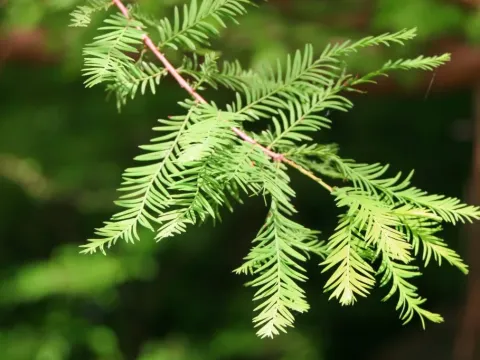
Botanically, it is a deciduous conifer with narrow, needle-like leaves that turn a deep copper color in the autumn. The tree develops characteristic root structures known as pneumatophores, which help it breathe in waterlogged soil conditions.
The economic value of Glyptostrobus lies in its timber, which is highly prized for its durability, resistance to rot, and attractive texture. Additionally, the tree is widely used in landscape design to create aquatic and waterside botanical compositions.
Glyptostrobus generally possesses a strong immune system, yet it can suffer from fungal infections if agricultural practices are neglected. Pathogens that thrive in stagnant water combined with low temperatures pose the greatest risk.
Pests rarely affect this culture in its natural habitat. However, when grown in greenhouse conditions, the plant can become susceptible to infestations by spider mites or scale insects. Regular inspection of the foliage and maintaining proper humidity are essential protective measures.