
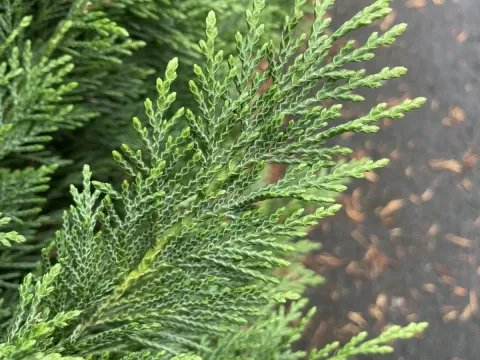
Cypress
Chamaecyparis Spach
Propagation of cypress is most commonly achieved through vegetative methods, specifically cutting, as seeds often do not retain the specific cultivar characteristics.
What the section contains


Cypress
The optimal time for taking cuttings is late spring or early summer, when the plant is in its phase of active sap flow and growth.
Seed planting is typically scheduled for early spring, following a necessary period of stratification at low temperatures for two to three months.
Cuttings are placed in a light, well-draining substrate, such as a mix of peat and sand, ensuring high humidity levels under a protective covering.
Transplanting seedlings to their permanent location in the open ground is recommended during the spring season to ensure proper establishment before winter.
Cypress belongs to the family Cupressaceae, representing a diverse group of evergreen coniferous trees valued for their ornamental foliage.
Successful cultivation requires fertile, well-drained soils with a neutral or slightly acidic pH, as waterlogging is detrimental to the root system.
The plant prefers locations protected from harsh winds with moderate sunlight exposure, although many varieties can thrive in partial shade.
Climatic requirements vary by species, but generally, cypresses demand high air humidity and consistent watering, especially during dry spells.
Hardiness varies significantly among species, with some requiring protective winter coverings in regions prone to extreme frost and spring sunscald.
Phytophthora root rot is one of the most severe threats to cypress, often leading to rapid decline and death of the entire plant.
Fusarium wilt is another common fungal disease that tends to develop in poorly ventilated areas or under conditions of excessive soil moisture.
Among pests, spider mites and scale insects are the primary culprits, causing yellowing and shedding of the foliage by feeding on plant sap.
Pest management relies on the timely application of systemic insecticides and acaricides, while fungal diseases are controlled with copper-based fungicides.
Regular sanitation pruning is a critical maintenance practice to remove infected branches and facilitate better air circulation within the plant canopy.