
Cypress hybrids
Chamaecyparis hybrids
Description
Growing requirements
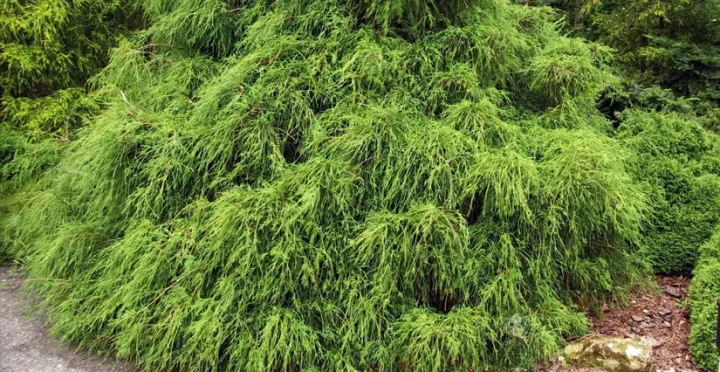
Cypress hybrids (Chamaecyparis hybrids) are members of the Cupressaceae family. These cultivated varieties are prized for their elegant foliage textures and diverse architectural shapes, making them staples in modern ornamental horticulture and landscape design.
These plants thrive in temperate climates with high humidity levels. They require well-drained, nutrient-rich soils that maintain consistent moisture without becoming waterlogged. Clay-heavy soils must be amended with organic matter and drainage materials to ensure the root system does not suffocate.
Exposure requirements vary by hybrid, but most benefit from partial shade, particularly in regions with intense summer heat. Harsh afternoon sun can cause significant foliage burn, while excessive shade can cause the plant to lose its characteristic dense, symmetrical habit.
Proper maintenance involves routine watering, especially during the first few years after planting. Mulching is highly recommended to regulate soil temperature and conserve moisture, which is vital for maintaining the health of shallow fibrous roots typical of these species.
In terms of practical usage, cypress hybrids are used extensively for hedging, windbreaks, and as focal points in gardens. Their ability to tolerate pruning makes them excellent candidates for formal topiary work in residential and commercial landscapes.
Main diseases and pests
The primary threats include fungal pathogens such as Phytophthora root rot, which is often exacerbated by poor drainage and excessive irrigation. Additionally, branch cankers can cause localized dieback, significantly impacting the aesthetic value of the specimen.
Insect pests often include spider mites, which thrive in dry conditions and can cause the foliage to lose its luster and turn brown. Scale insects also pose a risk, as they attach to the bark and stems, slowly draining the plant's vitality.