
Formosan cypress
Chamaecyparis formosensis
Description
Growing requirements
Formosan cypress (Chamaecyparis formosensis) is a significant coniferous tree species within the Cupressaceae family, endemic to the mountainous regions of Taiwan. It typically thrives at elevations ranging from 1,000 to 2,900 meters, where the climate is characterized by high humidity and consistent cooling throughout the year.
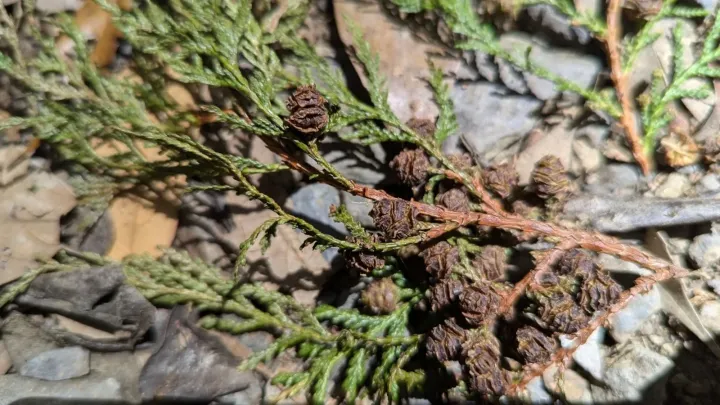
Botanically, this species is noted for its immense longevity and stature, capable of growing into a massive tree with a thick trunk. The foliage consists of scale-like needles arranged in flattened sprays, while its small, woody cones mature within a single growing season, providing reproductive potential for the species.
Soil requirements involve deep, well-drained, and nutrient-rich loamy substrates that maintain moisture without becoming waterlogged. The tree is particularly sensitive to soil compaction and poor aeration, which can severely stunt its growth and affect its overall health in both plantation and forest settings.
Agrotechnical management requires precise control of environmental conditions, specifically ensuring high air humidity and protection from harsh weather conditions during the seedling stage. Periodic light pruning and monitoring of sapling development are essential practices for ensuring healthy growth rates in managed stands.
Economically, the species is highly valued for its durable and fragrant wood, which contains natural compounds resistant to decay and insect infestation. Due to its status as a highly sought-after timber in the past, sustainable forest management practices are now strictly applied to ensure its conservation and future availability.
Main diseases and pests
Pathogenic threats primarily include root rot fungi, such as species of Phytophthora, which thrive in poorly drained soil conditions. These infections compromise the root system, often leading to rapid decline and mortality in localized plantations where drainage is insufficient.
Insect pests, particularly bark beetles and borers, pose a significant risk to trees weakened by drought or mechanical damage. Once the outer bark is breached, these pests not only destroy the wood tissue but also facilitate the introduction of fungal pathogens that can prove fatal to the tree.