
Hinoki cypress
Chamaecyparis obtusa (Siebold & Zucc.) Endl.
Description
Growing requirements
Hinoki cypress (Chamaecyparis obtusa) is a valuable evergreen conifer belonging to the Cupressaceae family. Originating from the forests of Japan and Taiwan, it is highly regarded for both its ornamental beauty and its fine-grained, rot-resistant timber.
This species thrives in temperate climates with high atmospheric humidity. It prefers deep, moist, yet well-drained soils with an acidic pH. Proper drainage is the most critical factor, as stagnant water is fatal to the root system of this conifer.
Agricultural practices for this crop include mulching to maintain soil moisture and keeping the root zone cool. While it enjoys a sunny position, protection from harsh, drying winds and intense midday sun in hot climates is essential to prevent foliage scorch.
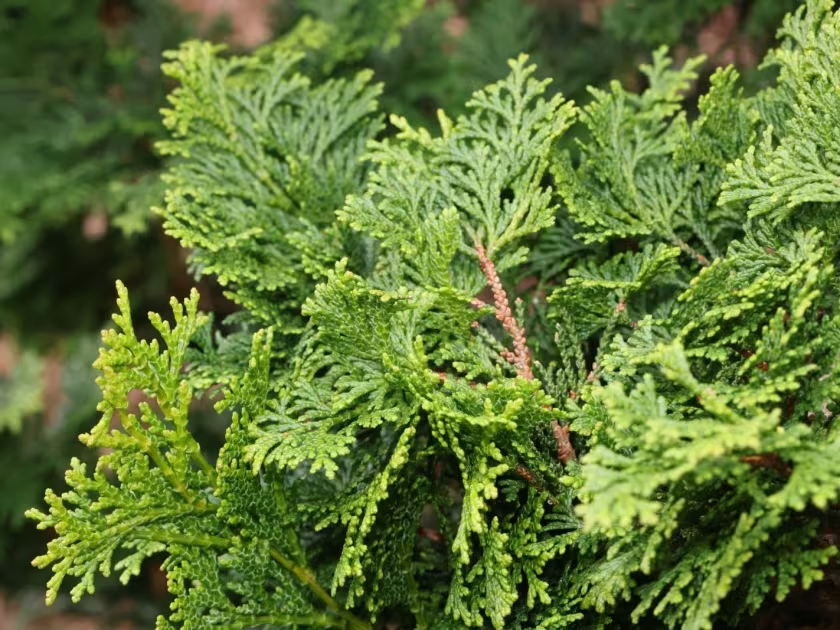
The cultural use of Hinoki is extensive. In forestry, it is a primary source of high-quality wood used for construction and traditional crafts. In landscape architecture, its dense, fan-like foliage and slow growth make it ideal for hedges and topiary.
Maintenance involves seasonal pruning to shape the canopy and the removal of dead interior branches to improve air circulation. Fertilization should be light and balanced, specifically formulated for acid-loving ornamental plants.
Main diseases and pests
The most severe threats to Hinoki cypress are soil-borne pathogens like Phytophthora, which cause root decay. Ensuring excellent soil structure and avoiding over-irrigation are the primary defensive measures for professional growers.
Pest infestations, particularly by scale insects and spider mites, can occur in periods of drought. Monitoring the foliage during dry spells and applying horticultural oils or appropriate insecticides helps maintain tree vigor.