
Atlantic white cypress
Chamaecyparis thyoides (L.) Britton et al.
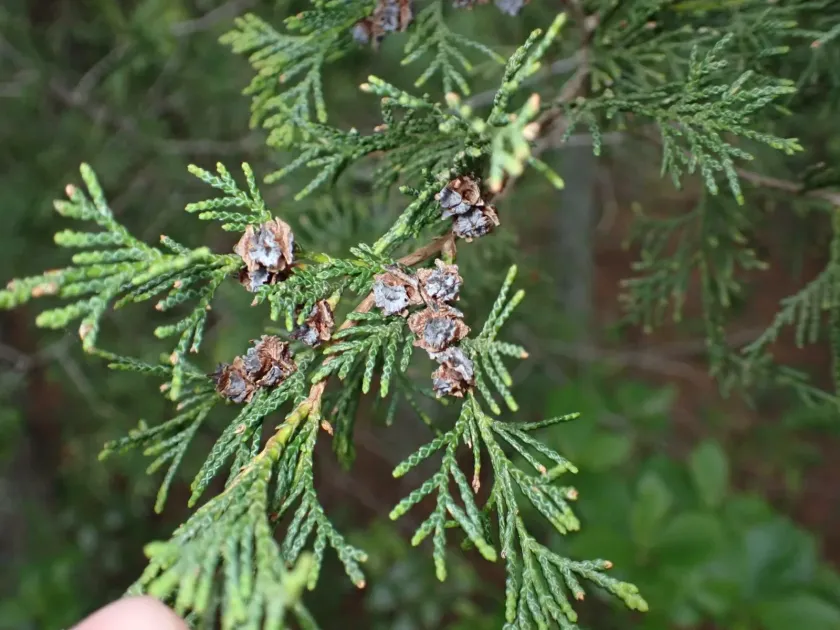
Description
Growing requirements
The Atlantic white cypress (Chamaecyparis thyoides) is a member of the Cupressaceae family, native to the Atlantic and Gulf coasts of the United States. In the wild, it thrives in swampy areas and along wet coastlines.
This species requires consistently moist, acidic, and well-drained soils. It performs best in organic-rich soils, such as peat or sandy loams, which provide the necessary moisture retention while preventing root rot.
Full sun is preferred for healthy growth, although some shade is tolerated, especially in young plants. The tree is generally cold-hardy, but it appreciates protection from harsh, drying winds that can cause winter burn on the needles.
Cultural practices involve maintaining high soil moisture levels. During prolonged dry spells, deep watering is essential to prevent stress, which can lead to thinning foliage and stunted growth.
Mulching is a critical agricultural practice for this species. Applying a thick layer of organic mulch helps retain soil moisture, suppress weed competition, and maintain an acidic pH level in the root zone.
Main diseases and pests
Root rot, particularly caused by Phytophthora species, is the most severe threat to the Atlantic white cypress, especially in poorly drained soils where stagnant water persists for too long.
Spider mites are a common pest in warmer, dry climates. These pests feed on the needles, causing them to turn yellow or grayish-brown and eventually drop off. Frequent overhead misting can help deter mite infestations.
Bagworms can also affect the tree by feeding on the foliage and creating silk nests. If spotted, these nests should be manually removed and destroyed before the larvae cause extensive defoliation.
Fungal leaf blights can occur in areas with poor air circulation. Proper spacing during planting and regular pruning of deadwood significantly improve airflow and reduce the risk of disease spread.
- Monitoring foliage for signs of discoloration.
- Ensuring proper spacing to facilitate air movement.
- Applying preventive fungicides in humid climates.
- Regular inspection for scale insects and mites.