
Lawson cypress
Chamaecyparis lawsoniana (A. Murray bis) Parl.
Description
Growing requirements
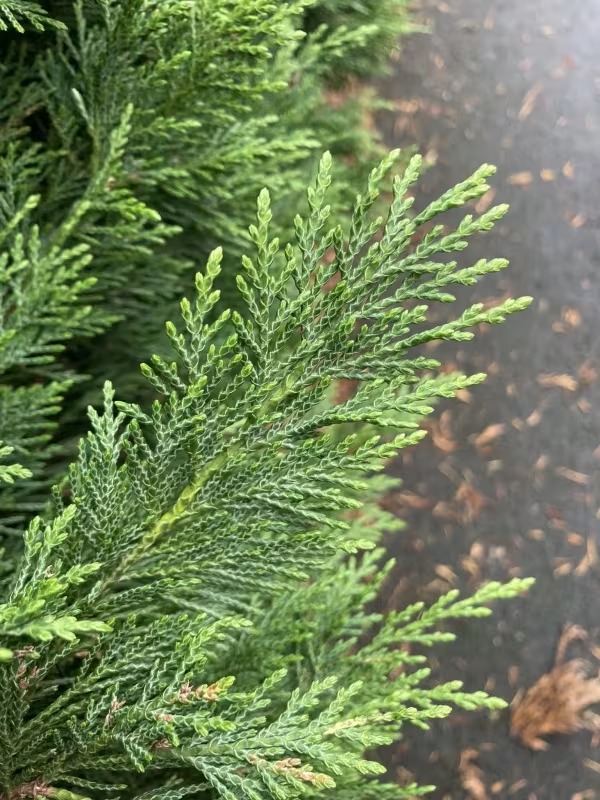
Lawson cypress (Chamaecyparis lawsoniana) is a significant evergreen coniferous species belonging to the Cupressaceae family. Originally native to the Pacific Northwest of North America, it has become a staple in horticultural production worldwide.
This species thrives in mild, humid climates and prefers protection from desiccating winds. It is sensitive to prolonged drought, making supplemental irrigation essential in regions with low precipitation to ensure the health of the foliage.
Regarding soil, it favors fertile, well-drained loamy soils. While it can adapt to various conditions, waterlogged soils must be avoided as they create hypoxic conditions, severely damaging the root structure of the cypress.
Cultivation practices involve regular mulching to suppress weeds and maintain moisture levels. Fertilization should be specific to conifers, typically applied in the spring to encourage robust growth without causing nitrogen burn.
Economically, it is highly valued in the nursery industry for its aesthetic appeal and versatility in landscaping. Beyond ornamentals, its timber is prized for its fine grain, strength, and natural resistance to decay, making it useful for specialized construction.
Main diseases and pests
Phytophthora root rot is the most destructive disease affecting this crop, particularly in wet soils. Managing moisture levels and selecting well-draining planting sites are the primary defense strategies against this lethal pathogen.
Fungal infections, including various needle casts and cankers, can occur during periods of high humidity. Regular scouting and the application of copper-based or systemic fungicides are standard procedures in commercial plantation management.
Pest issues often involve the spider mite, which flourishes in dry, warm conditions. These pests damage the foliage by piercing cells, often requiring the use of miticides to prevent severe infestations that can lead to needle drop.
Scale insects represent another threat, attaching to twigs and stems to extract plant sap. Their presence often leads to stunted growth and yellowing, necessitating targeted insecticide applications during the crawlers' activity period.
Proper canopy management and pruning are essential for reducing the risk of pest and disease outbreaks. By ensuring adequate airflow through the branches, growers can significantly reduce the micro-environment humidity favored by many pathogens.