
Sawara cypress
Chamaecyparis pisifera (Siebold & Zucc.) Endl.
Description
Sowing dates
The Sawara cypress Chamaecyparis pisifera is typically propagated through vegetative methods, specifically cuttings, which ensures the preservation of the cultivar's unique characteristics. The ideal time to collect semi-hardwood cuttings is late June or July, when the active growth of the shoots begins to slow down.
Seed propagation for this species requires a long period of stratification in cool conditions for approximately 3 to 4 months. Seeds are sown in spring into prepared seedbeds with a light, sandy substrate, where maintaining stable moisture levels is essential for successful germination.
When using seeds, one must consider that the resulting plants may show variations in traits, making cloning the preferred choice for commercial and decorative purposes. Cuttings are placed in a peat-sand mixture and covered to create a greenhouse effect, promoting root development.
After successful rooting, young plants are grown in containers or nursery plots for 2–3 years. Only after a robust root system has fully developed are the saplings ready for transplanting to their permanent locations in parks or residential gardens.
Transplanting young cypress plants to outdoor sites should be done exclusively in the spring. This timing allows the plant to adapt to local soil conditions and establish its root system firmly before the onset of the first severe winter frosts.
Growing requirements
The Sawara cypress belongs to the Cupressaceae family and naturally occurs on the moist mountain slopes of Japan. The culture thrives in areas sheltered from strong winds with adequate light, although young specimens require partial shading during the peak heat of the day.
Soil requirements involve using fertile, loamy, and well-drained substrates with an acidic to slightly acidic pH. The plant is extremely sensitive to waterlogging; therefore, on heavy clay soils, it is mandatory to install a drainage layer of crushed stone or expanded clay to prevent root rot.
The climate requirements favor regions with mild, humid winters and moderately warm summers. In environments with low air humidity, the Sawara cypress may lose its ornamental appeal; thus, regular watering and overhead misting are vital agricultural practices to maintain foliage quality.
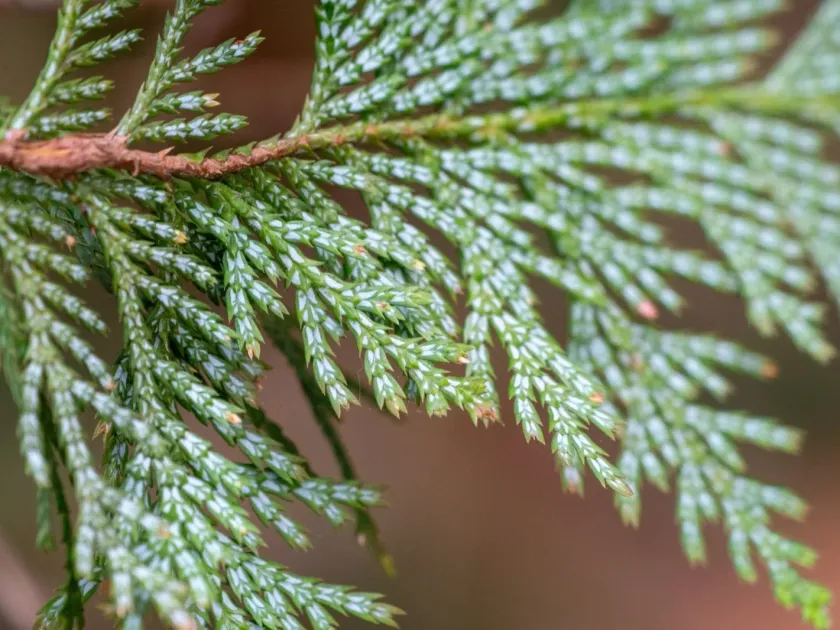
Botanically, the species is characterized by a conical crown with horizontally spreading branches and scale-like leaves, which often display bluish or golden hues depending on the cultivar. The plant is highly valued for its aesthetic appeal, highlighted by small, pea-like cones.
To support the plant's health, regular application of complex mineral fertilizers specifically designed for conifers is recommended during the spring and summer. Fertilization should cease by August to ensure the shoots properly harden off before the winter dormancy period.
Main diseases and pests
One of the most significant challenges in cultivating Sawara cypress is the risk of root rot caused by fungi of the Phytophthora genus. This disease primarily develops due to poor irrigation management and stagnant water, leading to wilting and the eventual death of the sapling.
Among pests, spider mites and scale insects cause the most damage by feeding on the sap of young shoots, which leads to yellowing and premature foliage drop. Treatment involves the use of systemic acaricides and insecticides applied strictly according to the manufacturer's regulations.
Fusarium wilt also poses a serious threat, manifesting as darkening of the wood and the death of individual branches. Prevention strategies include disinfecting gardening tools, maintaining proper spacing between plants, and performing timely sanitary pruning of infected plant parts.
Mealybugs can infest the leaf scales, forming a characteristic white, powdery deposit. Upon detecting the first signs of an infestation, immediate application of specialized pesticides is necessary, as the pests can multiply rapidly, especially in dense, poorly ventilated plantings.
- Maintaining optimal soil moisture levels
- Regular inspection of the lower crown
- Sanitary pruning of dead branches
- Using high-quality planting material
- Applying fungicides during high-risk seasons