
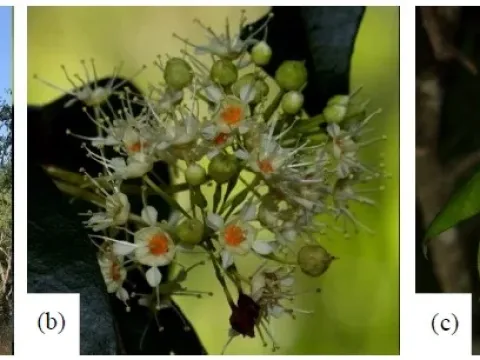
Terminalia anisoptera
Terminalia anisoptera
Terminalia anisoptera belongs to the Combretaceae family. It is a robust tropical tree species native to the lush ecosystems of Southeast Asia, thriving in stable environments.
What the section contains
Terminalia anisoptera
The species requires a tropical climate with consistent temperatures throughout the year. It does not tolerate frost and thrives best where annual precipitation is significant and reliable.
Soil requirements involve well-draining structures. While the tree can adapt to various soil types, deep alluvial soils rich in organic matter provide the best results for growth.
Light exposure is critical. As an upper-canopy species, it demands full sun exposure to reach its full potential in height and wood density during the maturation phase.
Cultural practices include ensuring adequate spacing between individual trees to prevent canopy overcrowding, which is essential for maintaining the health of the plantation.
The primary agricultural objective for Terminalia anisoptera is the production of high-quality timber used in construction, joinery, and furniture making.
Timber yield is measured by the growth rate of the main stem. Managed forestry practices, including selective pruning, are used to maximize the length and thickness of the harvestable logs.
Growth cycles for this species can span several decades, reflecting the nature of slow-growing but high-quality tropical hardwoods compared to fast-rotation species.
Economic viability is highly dependent on the tree's ability to maintain a straight, cylindrical trunk, which is achieved through proper management of the growing site.
Sustainable harvesting ensures that the population of Terminalia anisoptera remains viable for future cycles while meeting the current market demand for premium wood.
Pest management is a significant challenge in tropical plantations. Wood-boring insects present the most serious threat to the integrity of the stem and the quality of the final timber product.
Fungal pathogens can attack the root system, particularly in areas with poor drainage or stagnant water, leading to rapid decay of the tree's vital support structures.
Defoliating insects can occasionally cause significant stress to younger saplings, resulting in stunted growth and increased susceptibility to secondary infections.
Maintaining biological diversity within the plantation is often used as a strategy to mitigate the impact of specific pests that thrive in monocultures.
- Stem-boring beetles
- Root rot pathogens
- Leaf-feeding caterpillars