
Terminalia arenicola
Terminalia arenicola
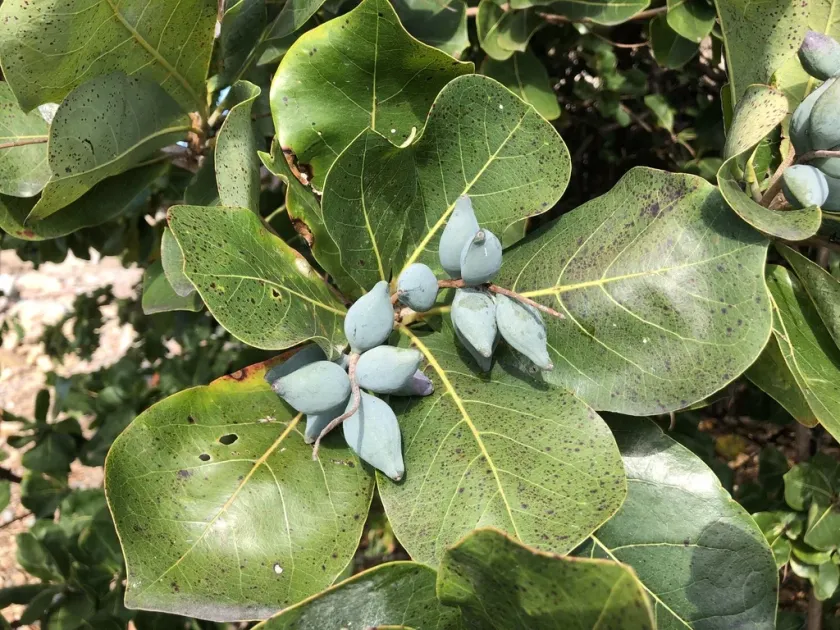
Description
Growing requirements
Terminalia arenicola is a tree species belonging to the Combretaceae family. Its specific epithet, "arenicola," refers to its natural preference for sandy substrates, indicating a specialized ecological adaptation to well-drained, sandy environments commonly found in its native habitat.
The native range of this species is primarily concentrated in northern Australia. It thrives in tropical climates characterized by high temperatures throughout the year, which are essential for maintaining its metabolic processes and steady annual growth rates.
Regarding soil requirements, the species favors loose, aerated soils that prevent waterlogging. In an agricultural or forestry context, selecting sites with proper natural drainage is the most critical step to ensure the long-term survival of the trees.
The climate must be strictly tropical; the tree is highly intolerant to frost. Exposure to freezing temperatures can cause severe damage or death to both young seedlings and mature specimens, making it unsuitable for cultivation in temperate or subtropical zones.
Agrotechnical practices involve careful site preparation and management of spacing between plants. Adequate sunlight and air circulation are necessary for proper canopy development, which in turn influences the quality of the timber produced by the mature tree.
Yield
The primary agricultural and economic use of Terminalia arenicola is focused on timber production. The wood is valued for its density and durability, making it suitable for high-quality carpentry, construction, and specialized woodworking applications.
Beyond timber, the species is highly effective in land restoration projects. Its root structure helps stabilize sandy soils, preventing wind and water erosion in vulnerable tropical coastal areas or degraded terrains.
Yield productivity is managed through long-term rotation cycles. Because these trees can be relatively slow-growing compared to invasive commercial species, the strategy is built on selective thinning and ensuring optimal growth conditions for the most vigorous individuals.
Some aspects of the plant might have local medicinal or traditional utility, although its primary industrial classification remains within the forestry and environmental sectors due to its robust biological characteristics.
Proper harvest planning involves evaluating the trunk diameter and wood quality indicators. Strategic management of forest stands ensures a sustainable supply of wood products while maintaining the ecological integrity of the planting area.
Main diseases and pests
Fungal diseases related to high humidity represent the most significant threat to the health of the trees. Poor air circulation within dense stands can lead to leaf spots or stem infections, necessitating regular sanitation practices.
Pests such as leaf-eating insects and wood-boring larvae can cause damage to younger plants. Integrated pest management, which includes monitoring for early signs of infestation and identifying the specific pest species, is essential for maintaining stand health.
Root rot is a common issue when the soil remains too wet for extended periods. This emphasizes the importance of proper site drainage; once the root system is compromised by anaerobic conditions, recovery becomes extremely difficult for the tree.
Preventative measures include removing dead or diseased branches to reduce the spread of pathogens. Keeping the base of the tree clear of debris and excessive moisture helps prevent the establishment of harmful micro-flora.
Sustainable cultivation favors the use of natural predators or biological controls over chemical pesticides whenever possible. This approach supports the long-term health of the ecosystem and the quality of the harvested wood products.