
Terminalia anogeissiana
Terminalia anogeissiana
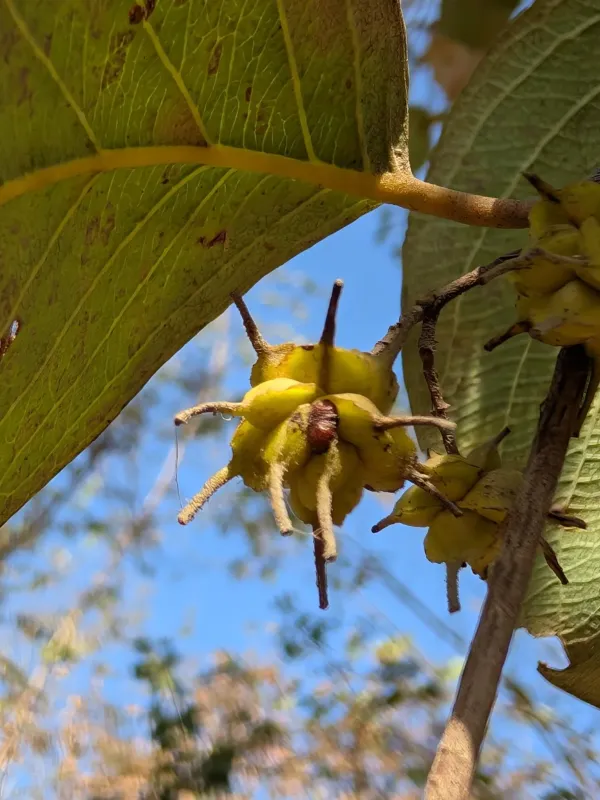
Description
Growing requirements
Terminalia anogeissiana is a prominent member of the Combretaceae family, native to tropical regions where it serves as a vital component of local ecosystems. This tree species is characterized by a robust growth pattern and adaptation to humid tropical climates.
For successful cultivation, the species requires consistent temperature ranges throughout the year. It performs optimally in regions where rainfall is distributed across a defined season, supporting the rapid physiological development of the tree canopy.
Soil requirements focus on deep, fertile, and well-drained substrates. The plant is sensitive to waterlogging, as the root system requires adequate oxygen to function properly. Therefore, soil topography must be managed to ensure effective drainage.
Agronomic management involves site preparation, including weed control and soil nutrient enrichment, particularly in the initial years of plantation establishment. Proper spacing is essential to minimize intraspecific competition for light and water resources.
Economic applications are centered around the high-quality timber produced by the tree, which is utilized for construction and furniture manufacturing. Additionally, the species contributes significantly to land stabilization and environmental restoration efforts.
Main diseases and pests
The main phytosanitary risks include various fungal infections that impact the leaves and stems. These pathogens thrive in stagnant air conditions and high humidity, potentially affecting the overall vigor of the plantation.
Wood-boring insects represent a significant threat to timber quality, as their larvae create tunnels within the wood tissue. Effective management requires constant surveillance and timely intervention using integrated pest management strategies.
Leaf-eating pests can cause significant defoliation, which hampers the energy intake of the tree and delays growth cycles. Sustainable forestry practices often employ natural predators or biological pesticides to mitigate such infestations.
Root rots associated with poor drainage and excessive moisture can lead to sudden decline in mature trees. Maintaining appropriate soil aeration is the primary defense strategy against these soil-borne threats.
Early identification of stressors is critical for maintaining high yields in Terminalia anogeissiana plantations. Regular health assessments and adherence to optimized silvicultural practices ensure the longevity and commercial value of the crop.