
Terminalia avicennioides
Terminalia avicennioides
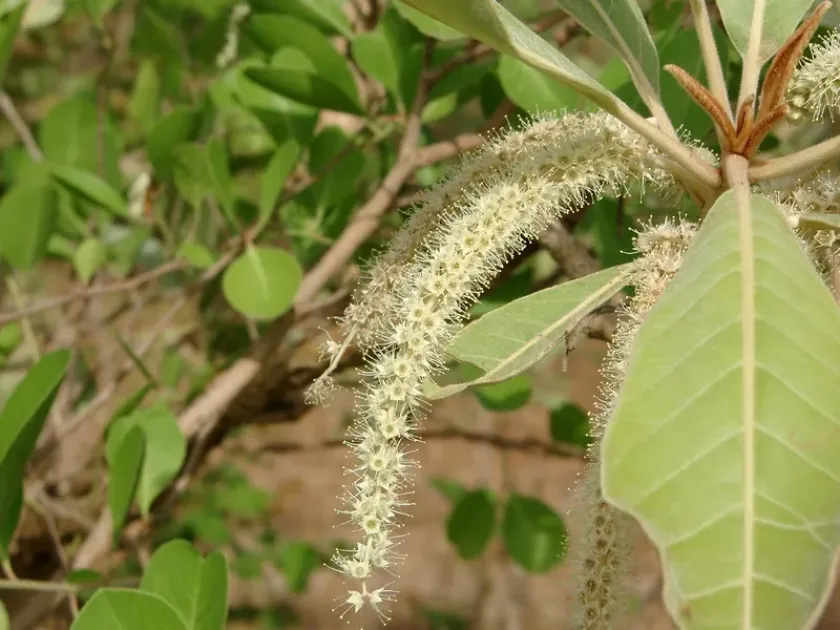
Description
Growing requirements
Terminalia avicennioides is a deciduous tree belonging to the Combretaceae family, native to the savanna and woodland regions of West and Central Africa. It is known for its high resilience to harsh environmental conditions and significant drought tolerance.
The tree thrives in well-drained, sandy, or stony soils which prevent root rot. It is specifically adapted to regions with a distinct dry season, maintaining productivity even when water availability is significantly restricted.
Optimal growth requires high levels of solar radiation throughout the year. The species is heliophilous and performs poorly under dense canopy cover, which is a crucial consideration for reforestation and plantation layout designs.
Agronomic practices for this species focus on site preparation to ensure proper aeration of the soil. As the plant establishes, it develops a deep root system that anchors the plant and allows it to access deeper groundwater tables.
Economically, Terminalia avicennioides is highly valued. Its timber is durable and used for tool handles and construction, while extracts from its roots and bark are utilized in traditional medicine to address various inflammatory conditions.
Main diseases and pests
Fungal pathogens represent the primary biological threat, especially in sites where soil drainage is inadequate. These infections can compromise the internal structure of the tree, significantly reducing the commercial value of its timber.
Wood-boring insects are common pests that cause structural damage to the trunk and branches. Preventive management includes maintaining plant vigor and promptly removing any dead wood to prevent the spread of infestations.
Wildfires pose a major risk to young plantations in savanna climates. Implementing firebreaks and monitoring systems is essential to protect young trees until they develop sufficiently thick, fire-resistant bark.
Overgrazing by livestock is a persistent problem that hampers natural regeneration. Fencing is a necessary protective measure to prevent herbivores from consuming seedlings and tender shoots.
Root system stress caused by extreme soil compaction or nutrient deficiencies can make the trees more susceptible to pest outbreaks. Regular soil testing and site monitoring are recommended for sustainable management.