
Silver cluster leaf
Terminalia sericea
Description
Growing requirements
Terminalia sericea is a perennial woody plant belonging to the Combretaceae family. This species is native to the tropical and southern regions of Africa, where it thrives in savannas and open woodlands, acting as a key component of the local flora.
The plant demonstrates remarkable drought resistance, making it suitable for regions with limited rainfall. It prefers well-drained sandy or loamy soils, which allow the root system to reach deep moisture reserves during dry seasons while preventing waterlogging.
Cultivation requires abundant sunlight and warm temperatures consistent with the tropical belt. Successful agricultural practice relies on minimal soil disturbance and maintaining natural drainage, as the species is highly sensitive to excessive humidity around the root collar.
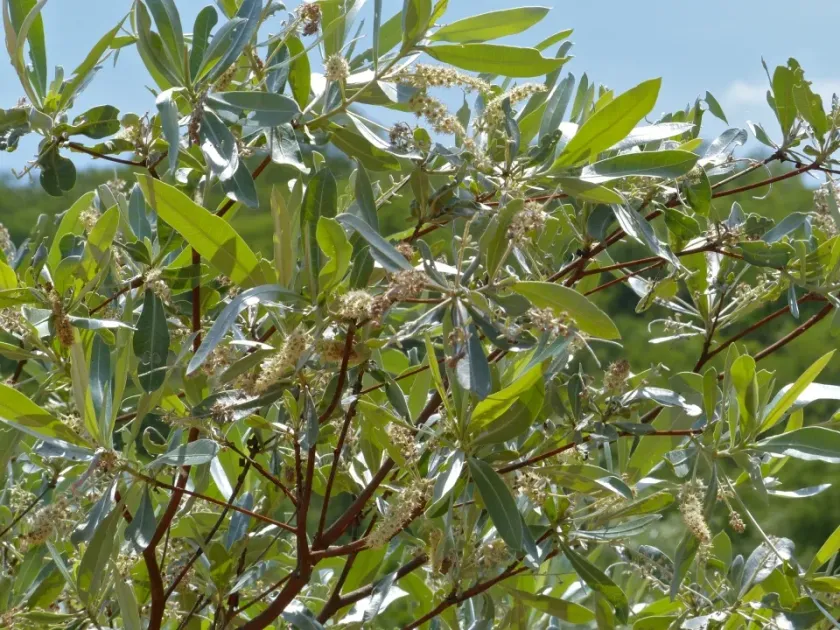
Botanically, it is characterized by its silver-pubescent leaves, which act as a cooling mechanism, reflecting solar radiation and reducing transpiration. This structural adaptation allows the tree to maintain metabolic activity under extreme environmental stress.
Economically, Terminalia sericea is valued for its dense, durable wood used in crafting and construction. Furthermore, the bark and roots are extensively utilized in traditional medicine due to their rich content of tannins and antibacterial compounds, supporting local pharmaceutical efforts.
Main diseases and pests
Fungal diseases constitute the primary threat to the species, particularly when plants are grown in areas with poor drainage. Rot-related issues can spread rapidly in nursery settings if humidity levels are not strictly managed.
Insect pests, including wood-boring beetles and defoliating caterpillars, can cause significant damage to plantation stock. Implementing an integrated pest management strategy is essential to protect the long-term health and growth of the trees.
Herbivory by both wild animals and livestock poses a constant challenge for young specimens. Protective fencing and physical barriers are recommended during the initial growth stages to ensure the trees reach maturity.
Nutrient deficiencies, particularly in poor sandy soils, can lead to stunted growth. Periodic monitoring and, if necessary, targeted fertilization can help maintain the plant's natural defense mechanisms against environmental stressors.
Climate change and shifting rainfall patterns may impact the natural regeneration of the species. Research into sustainable harvesting practices is crucial for ensuring that the medicinal and timber resources remain available for future generations.