
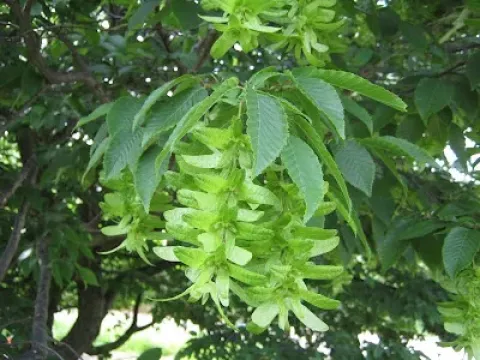
Henry hornbeam
Carpinus henryana
The Henry hornbeam (Carpinus henryana) is a deciduous tree belonging to the Birch family (Betulaceae). Native to central and eastern China, this species is highly regarded in botany for its distinct foliage and elegant, spreading canopy structure.
What the section contains
Henry hornbeam
In terms of habitat requirements, it thrives in rich, well-draining soils with a slightly acidic to neutral pH. It naturally occurs in mountainous forests, which dictates its preference for sites that offer protection from intense wind and scorching direct sunlight during the hottest part of the day.
The botanical profile of this species includes serrated, lance-shaped leaves that often exhibit a beautiful bronze or reddish tinge when young. As a slow-growing tree, it requires long-term patience, making it an excellent candidate for permanent garden installations and botanical collections.
Maintenance involves providing consistent moisture, especially during the establishment phase. While it is adapted to temperate climates, the tree appreciates a cool root zone, which can be maintained by applying organic mulch around the base to retain soil moisture and stabilize temperature.
Its primary horticultural use is ornamental. Whether planted as a specimen tree in a public park or as part of a woodland-style garden, Carpinus henryana offers structural beauty throughout the growing season and contributes to the biodiversity of the local landscape.
The most significant threats to Henry hornbeam involve root diseases caused by waterlogged soil conditions. Proper site selection that ensures gravity drainage is vital for long-term health and vitality.
Common pests such as aphids and leaf miners may affect the foliage during the spring and early summer. Regular inspections and the use of targeted biological controls are recommended to preserve the decorative quality of the tree.