
Hop-hornbeam
Ostrya
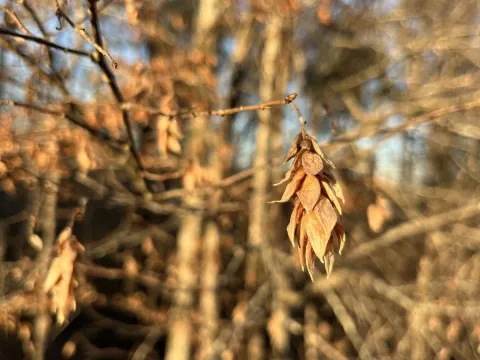
Hop-hornbeam (Ostrya) is a genus of deciduous trees within the Betulaceae family. It is widely recognized for its characteristic hop-like fruit clusters that appear after flowering, which gives the plant its common name.
What the section contains


Hop-hornbeam
This species is native to temperate regions across the Northern Hemisphere, thriving in diverse climates from Southern Europe to the forests of North America. It generally prefers well-drained, nutrient-rich soils and sites with partial shade.
The tree exhibits slow growth rates, which contributes to the density and strength of its wood. Because of this slow maturation, it requires patience in cultivation, making it a premium choice for long-term ecological landscape projects.
Regarding climatic requirements, the Hop-hornbeam is hardy and tolerant of various temperature fluctuations. However, it requires a stable water supply during its establishment phase to ensure deep root penetration.
Economically, the wood of the Ostrya genus is highly valued for its toughness, often referred to as "ironwood." It is utilized in the production of durable tool handles, heavy-duty furniture, and various engineering components requiring high wear resistance.
Hop-hornbeams are generally resistant to major pests and diseases, which is a significant advantage for arborists and forest managers. Proper site selection is the primary factor in maintaining healthy trees.
Fungal infections can occur if the trees are planted in areas with poor drainage or excessive humidity. Managing soil moisture and promoting good air circulation around the canopy are the best preventive measures against fungal pathogens.
Insects such as aphids and leaf miners may occasionally infest young saplings. While rarely fatal, these pests can impact aesthetic value, necessitating occasional monitoring and targeted treatment during the peak growing season.
Wounds on the trunk or bark can serve as entry points for decay organisms. It is recommended to practice careful pruning techniques to avoid unnecessary damage and to allow the tree to naturally seal any pruning cuts.
Monitoring for signs of root rot is essential in commercial nurseries. Maintaining balanced nutrient levels and avoiding over-fertilization helps the trees maintain their natural resilience against various environmental stressors.