
Heart-leaved birch
Betula cordifolia
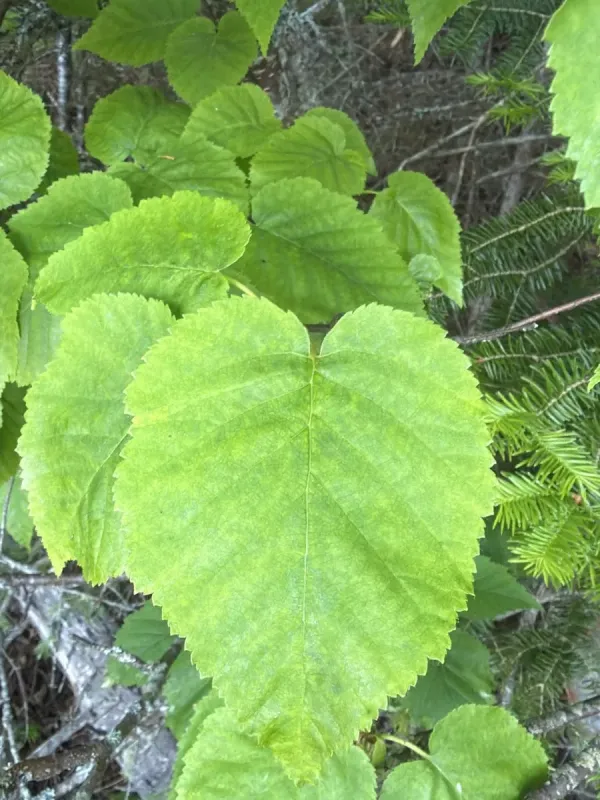
Description
Sowing dates
The heart-leaved birch (Betula cordifolia) belongs to the Betulaceae family. In silvicultural practices, this species is primarily propagated by seeds, which are sown in autumn or spring following a necessary period of stratification.
Under natural regeneration conditions, seeds are dispersed by wind over long distances, facilitating rapid colonization of open areas. In nurseries, early spring is considered the optimal time for planting, once soil temperatures rise to +5...+8°C.
Successful seed germination requires high substrate moisture levels and good aeration. Growing seedlings requires careful monitoring to ensure seed cleanliness, as the species is sensitive to competition from herbaceous vegetation during early growth stages.
Planting density depends on the intended use of the stand, typically ranging from 2,000 to 3,000 plants per hectare. Proper light management at the seedling stage is a critical factor for the survival and establishment of the culture.
Mycorrhizal formation plays a significant role in the development of the root system, which is why incorporating forest litter or using specialized bio-preparations significantly increases growth vigor.
Growing requirements
This species thrives in cool temperate climates, preferring regions with cool summers and significant snow cover during winter. Its natural distribution area encompasses the eastern regions of North America, including mountain systems in Canada and the USA.
The culture has moderate requirements for soil fertility but performs best on well-drained, slightly acidic loams. It can tolerate high moisture levels but is extremely sensitive to prolonged waterlogging in the root zone.
The heart-leaved birch is a light-demanding species; therefore, artificial stands must be managed to prevent excessive shading from other tall tree species. In dense forest stands, natural pruning of lower branches occurs due to a lack of sunlight.
The species exhibits high frost resistance, making it suitable for use in northern forestry zones. Its climatic plasticity makes it a promising candidate for the reclamation of disturbed lands in cooler northern regions.
The optimal annual precipitation level for intensive growth of this species ranges from 800 to 1,200 millimeters. The species is highly adaptable to temperature fluctuations during the spring and autumn periods, reducing the risk of frost damage.
Yield
The productivity of heart-leaved birch wood depends on environmental conditions and the quality of silvicultural care. In optimal conditions, the tree reaches a height of 15–20 meters, forming a straight trunk suitable for timber processing.
The economic value of the species lies in its high-quality wood, which is utilized in furniture production, plywood manufacturing, and the pulp and paper industry. The wood is noted for its medium density and good physical-mechanical properties.
Biomass growth rates are higher in the juvenile stage, allowing the species to be used as a fast-growing source of timber. Within forest management structures, it often serves as a companion species in mixed-stand plantations.
Maximum volumes of commercial timber are achieved at the age of 60–80 years. Intensive forest management allows for shorter rotation periods while strictly adhering to stand thinning regulations.
- High yield of pulpwood.
- Opportunity to use production waste for energy purposes.
- High quality of pulp for the paper industry.
Main diseases and pests
The primary biological threats to heart-leaved birch include fungal diseases affecting the trunk and leaves, which develop under high humidity conditions. Strict adherence to sanitary forest management rules is essential for protecting the stands.
Among pests, leaf-eating insects such as the birch sawfly and various moth species are the most dangerous, as they can cause significant defoliation. Regular canopy monitoring allows for the timely application of biological control measures.
Root rots can occur when trees are attacked by pathogens, especially in waterlogged conditions or soils with poor aeration. Timely removal of infected specimens prevents the spread of infection centers.
The bronze birch borer poses a serious threat to weakened trees, often leading to mortality. Strengthening stand immunity through proper agrotechnical practices remains the priority method for pest control.
Frost cracks and sunscald on the bark of young trees can become entry points for infections; therefore, in young plantations, it is recommended to apply trunk shading techniques during the first years of growth.
Harvesting
Final harvest operations are conducted after the stand reaches technical maturity, which is usually determined by the specific forest management inventory data. The process includes felling, delimbing, and sorting the timber directly at the harvesting site.
To preserve soil integrity and ensure regeneration, selective logging methods are often used to minimize the impact of heavy machinery on saplings. This ensures the natural renewal of the forest massif after the removal of mature trees.
Logging schedules depend on logistics and regional climatic conditions. Operations are most frequently planned for the winter period when the soil is frozen, facilitating timber extraction with minimal damage to the forest floor.
Wood processing technology requires strict adherence to temperature and humidity controls during drying to prevent material cracking. Proper storage organization ensures the preservation of the raw material’s commercial quality.
After harvesting, activities are conducted to assist natural regeneration or to plant new-generation forest cultures, ensuring the continuity of the forest cycle.