
Japanese cherry birch
Betula grossa
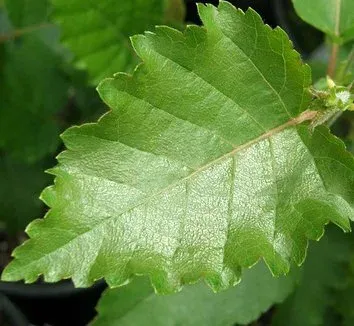
Description
Sowing dates
Propagation of Betula grossa is primarily conducted through seeds, which should be collected in late autumn when the catkins start to show signs of maturity. Proper selection of seed material is crucial for healthy growth.
Seeds require a period of stratification for about 2 to 3 months in cool, moist conditions to break dormancy. Sowing should take place in early spring once the threat of heavy frost has passed.
Given the small size of the seeds, they should be sown on the surface of the soil with a very light covering of peat. Proper moisture levels must be maintained throughout the germination period.
Seedlings are delicate during their first few months and require protection from direct sunlight and excessive wind. A nursery environment with controlled conditions is ideal for the initial development phase.
Transplanting into the permanent site should be carried out carefully in the second year. Ensuring the root ball remains intact is essential for the survival and establishment of the young tree.
Growing requirements
Japanese cherry birch (Betula grossa) belongs to the Betulaceae family. It is native to the mountainous regions of Japan and prefers cool, moist climates with well-drained, fertile soil conditions.
The tree thrives in acidic to neutral soil types rich in organic matter. It is sensitive to soil compaction, which can impede root growth and limit the tree's access to vital nutrients and water.
Sunlight is a key factor for this species; it prefers full sun to light shade. Adequate light exposure is essential for maintaining the health of the foliage and the development of its ornamental bark.
While the tree is cold-hardy, it does not tolerate severe, prolonged droughts. Regular watering during dry spells in the growing season is necessary to ensure the tree maintains its growth rate.
It prefers a location sheltered from strong, drying winds, which can desiccate the leaves and damage the bark. Integrating the tree into mixed forest stands can provide natural protection.
Yield
Betula grossa is valued for its dense, high-quality timber, which is sought after in the furniture and woodworking industries. The tree exhibits moderate growth rates suitable for forest management.
As a forestry crop, it serves as a valuable resource for sustainable wood production. With proper management and thinning, it can produce a consistent yield of high-grade, durable wood.
The species also holds significant ornamental value, making it a viable product for landscaping and urban greening projects. This dual use enhances the economic feasibility of its cultivation.
Productivity is optimized by maintaining proper spacing, which reduces competition for light and nutrients. Regular monitoring of the trees ensures that they reach harvestable size in good health.
Sustainable harvesting practices are essential to preserve the soil and ecosystem vitality for subsequent plantings. Managed stands can yield timber for decades while maintaining biodiversity.
Main diseases and pests
Fungal pathogens such as Cytospora can affect the bark, especially if the tree is under environmental stress. Preventive measures include maintaining overall tree vigor through adequate nutrition.
Insect pests, including various leaf-eating caterpillars and borers like the birch borer, pose a threat to young and mature trees. Prompt identification and localized treatment are recommended.
Powdery mildew can become an issue during periods of high humidity and poor air circulation. Thinning the canopy is an effective cultural practice to reduce the incidence of fungal growth.
Root rot is often associated with waterlogged soil and poor drainage. Implementing a robust drainage system in the planting site is the most effective way to mitigate this risk.
Regular sanitary pruning helps to remove dead or diseased branches, preventing the spread of infections throughout the stand. This is a critical component of healthy tree management.