
Fang hornbeam
Carpinus fangiana
Description
Growing requirements
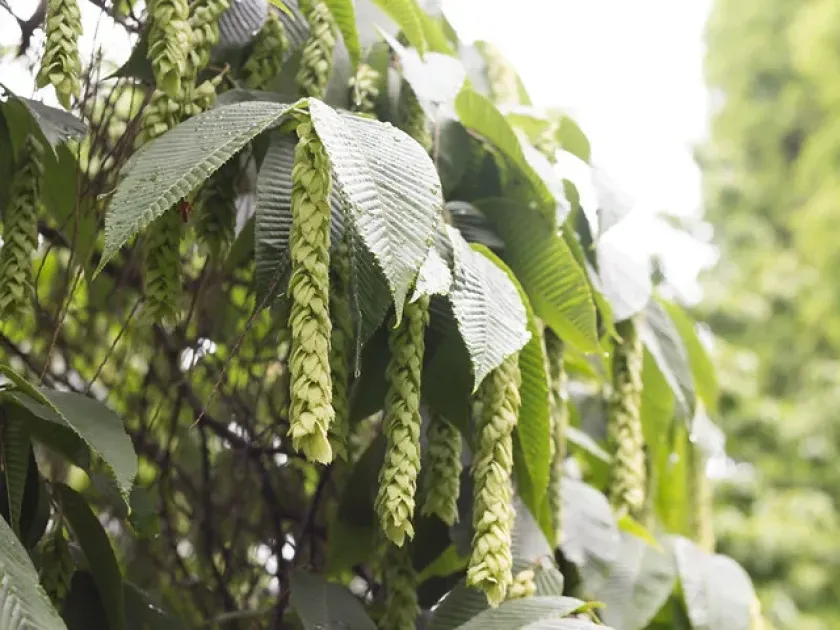
The Fang hornbeam (Carpinus fangiana) is a distinct species within the Betulaceae family, renowned for its exceptionally long, pendulous catkins. Native to the mountainous regions of China, this species thrives in high-altitude environments with temperate microclimates.
For successful cultivation, the Fang hornbeam requires deep, nutrient-rich, and well-draining soil. It is particularly sensitive to waterlogging, necessitating proper soil preparation and drainage systems in areas with heavy clay or compact soil structures.
The tree favors locations with consistent moisture levels and moderate exposure to sunlight. While young specimens can tolerate partial shade, mature trees benefit from a mix of sun and filtered light to ensure the development of their characteristic foliage and long catkins.
Agronomic management for this species involves regular mulching, which helps preserve soil moisture and protects the root system from temperature fluctuations. Organic compost is highly recommended for soil enrichment during the early growth stages.
In terms of agricultural and horticultural use, the Fang hornbeam is primarily valued for its ornamental appeal in botanical collections and high-end landscaping. Its unique structure makes it a specialized plant that requires careful placement to highlight its aesthetic traits.
Main diseases and pests
The primary threats to Carpinus fangiana include root rot diseases caused by soil pathogens in poorly aerated or waterlogged conditions. Maintaining optimal soil structure is the most effective preventative measure against these systemic issues.
Foliage-feeding insects, including caterpillars and specific beetle larvae, can impact the vitality of the tree during the spring growth phase. Monitoring programs should be established to identify early signs of defoliation or pest damage.
Scale insects are another potential pest that can affect the health of young shoots by feeding on plant sap. Integrated pest management, including horticultural oils, can be utilized to keep these populations under control.
Fungal leaf spots can occur in environments with high humidity and limited airflow. Proper pruning practices, which improve crown ventilation, are essential to minimize the development of these unsightly and sometimes damaging pathogens.
Finally, environmental stressors such as prolonged drought can weaken the tree, making it more susceptible to secondary infestations. Consistent irrigation practices remain the fundamental defense strategy for maintaining long-term tree health.