
Hop-hornbeam
Ostrya Scop.
Hop-hornbeam (Ostrya) is a genus of trees in the Betulaceae family, widely recognized for its robust wood and ornamental value. These trees are native to temperate regions and thrive in well-drained, rocky soils.
What the section contains

Hop-hornbeam
The culture requires a location with exposure to sunlight or partial shade to ensure proper development. It is known for its high tolerance to limestone-rich substrates and its ability to withstand moderate drought once established.
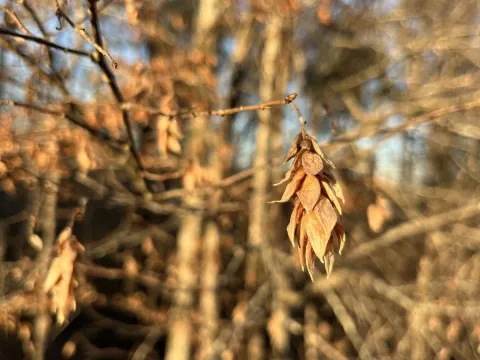
Botanically, the tree is distinct due to its fruiting structures, which are enclosed in papery, hop-like bracts. Its foliage is oval-shaped with serrated margins, turning a pleasing golden-yellow shade during the autumn season.
Cultivation practices involve selecting high-quality seeds or saplings and ensuring proper drainage during the planting phase. The plant does not require heavy fertilization but appreciates organic matter in the soil to improve growth rates.
The timber of this tree is extremely dense and durable, often used in the manufacturing of tool handles and durable construction components. It is an excellent choice for landscape projects that require a hardy, long-lasting species.
Common health issues include fungal leaf spots and mildew, which typically appear in nursery environments where ventilation is restricted and humidity levels remain excessively high.
Pests such as scale insects and various leaf-eating caterpillars can occasionally infest the canopy. Early detection is essential to maintain the structural and aesthetic integrity of the tree.
Root rot is a significant risk in areas with poor drainage. Once root health is compromised, the tree becomes highly susceptible to opportunistic bacterial infections that affect the trunk.
Preventive maintenance includes keeping the base of the tree clear of debris and ensuring that no mechanical damage occurs to the bark, as wounds serve as entry points for pathogens.
Regular monitoring of the foliage and branches allows for early intervention, ensuring that the health of the hop-hornbeam plantation remains stable throughout the growing season.