
Intermediate birch
Betula intermedia
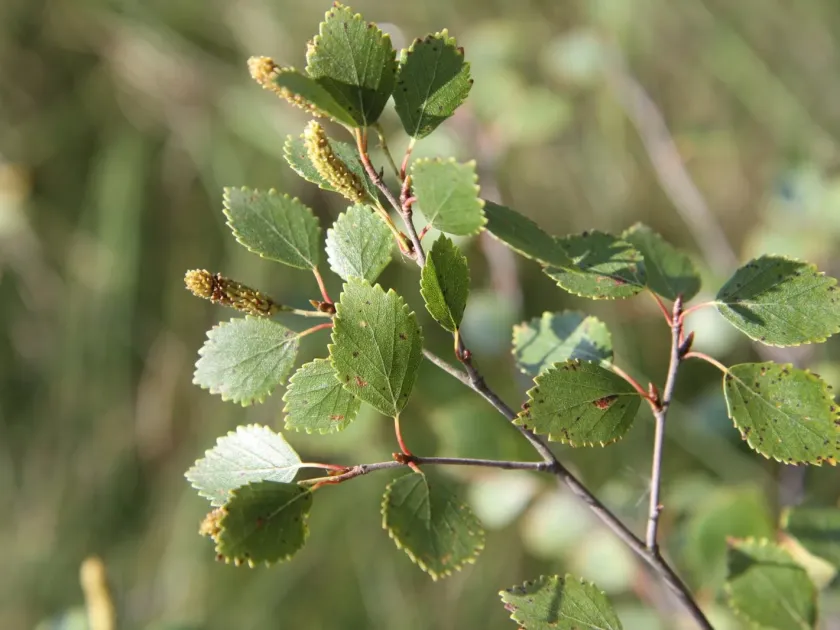
Description
Growing requirements
Intermediate birch (Betula intermedia) belongs to the Betulaceae family. It is a natural hybrid species originating from the cross-breeding of downy birch and dwarf birch, resulting in its distinctive intermediate characteristics.
The native range of this species covers the northern regions of Eurasia, including Fennoscandia and parts of Northern Russia. It thrives in humid, boggy environments and peat-based soils, exhibiting high tolerance for waterlogged conditions.
Botanically, the species is characterized by its adaptability to harsh climates. It has high frost resistance and can survive in poor, acidic soil conditions where competition from other tree species is relatively low due to extreme environmental factors.
Cultivation requirements focus on maintaining sufficient soil moisture levels while ensuring basic drainage. While the species is water-loving, stagnant water during the growing season should be managed carefully to ensure root health and prevent anaerobic decay.
Its primary agricultural and forestry use involves reforestation of marginal peatlands and land reclamation. Due to its unique genetic makeup, it is also highly valued in botanical research and studies regarding hybrid vigor in northern forest ecosystems.
Main diseases and pests
Major threats to the health of the intermediate birch include fungal diseases such as leaf rust and various leaf spot pathogens that thrive in the cool, moist conditions typical of its natural habitat range.
Common pests include leaf-mining sawflies and various species of aphids that can damage the foliage. In older or stressed trees, secondary infestations by bark beetles may occur, potentially impacting the tree's structural integrity over time.