
Horne Birch
Betula hornei
Description
Growing requirements
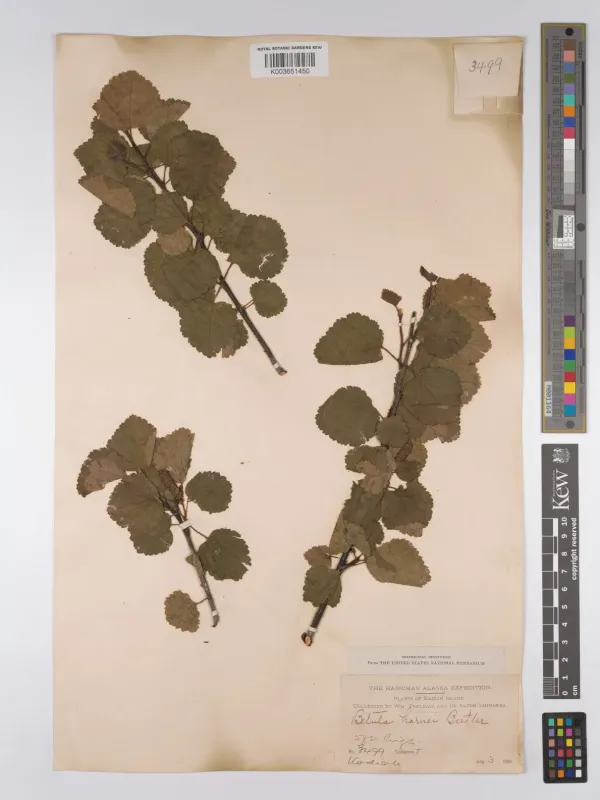
Horne Birch (Betula hornei) is a distinct species within the Betulaceae family. It is recognized for its unique botanical profile, which distinguishes it from other species in the genus Betula, particularly regarding its branch structure and leaf morphology.
The species originates from temperate regions in the Northern Hemisphere. It has adapted to specific climatic niches where seasonal temperature variations are moderate, allowing the tree to complete its biological cycles successfully without exposure to extreme heat stress.
The primary soil requirement for Betula hornei is well-drained, nutrient-rich substrate. The species performs poorly in waterlogged environments or compacted soils, necessitating careful site selection to ensure long-term health and structural integrity of the tree.
Agricultural management requires early-stage irrigation during dry spells, especially during the first few years of growth. The tree is considered heliophilic, meaning that choosing an open, sunny location is essential to maximize photosynthesis and promote dense, healthy growth.
Economically, this species is utilized for reforestation projects and landscape architecture. Its wood properties are suitable for various woodworking applications, while its aesthetic appearance makes it a popular choice for restoration of natural forest habitats and ornamental gardening.