
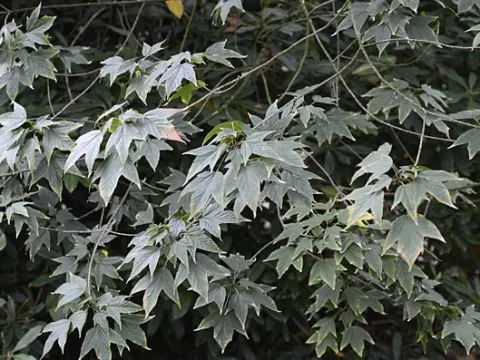
Chinese purple maple
Acer sino-purpurascens
The Chinese purple maple (Acer sino-purpurascens) is a distinct species belonging to the Sapindaceae family. Native to the mountainous regions of Eastern China, it is highly valued for its rare appearance and biological characteristics.
What the section contains
Chinese purple maple
Botanically, the tree is recognized by its leaves, which emerge with a striking purple or reddish hue in the spring. As the season progresses, the foliage transitions to a deep, sophisticated green, offering a unique dynamic in landscape design.
Cultivation requires fertile, well-draining soils with a slightly acidic to neutral pH. The species performs best in locations that provide protection from harsh winds and intense afternoon sun, which can scorch the delicate leaf tissue.
Water requirements are moderate; however, the soil should be kept consistently moist but never waterlogged. Incorporating organic matter into the planting hole helps to improve soil structure and moisture retention over time.
As a slow-growing tree, it is an excellent candidate for specimen planting in arboretums or private collections. Adequate space should be provided to allow the crown to develop its natural shape without competition from larger species.
Common threats to this maple include fungal pathogens such as powdery mildew, which thrive in stagnant, humid environments with poor air circulation.
Pests like aphids and spider mites may target the undersides of the leaves, causing discoloration and potentially reducing the overall vigor of the tree.
Environmental stress, particularly prolonged drought or extreme cold, can weaken the plant, making it more susceptible to opportunistic wood-boring insects.
Integrated pest management strategies should prioritize cultural practices, including sanitation and proper pruning, to maintain a healthy tree architecture.
Regular monitoring of the bark and foliage is essential to detect early signs of infestation, allowing for targeted treatment with appropriate horticultural oils or insecticides.