
Cretan maple
Acer sempervirens
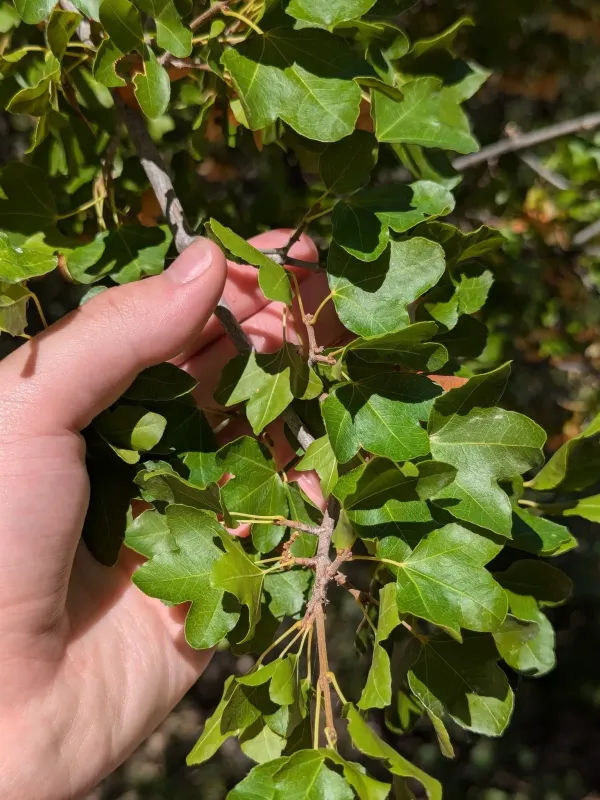
Description
Growing requirements
The Cretan maple (Acer sempervirens) is a distinctive species belonging to the Sapindaceae family. It is recognized as a small, evergreen or semi-evergreen tree or shrub, highly valued for its resilience in harsh environments.
Native to the eastern Mediterranean, specifically Crete and parts of Greece, this species is naturally adapted to rocky, calcareous terrain. Its biological structure allows it to thrive in nutrient-poor soils where other maple species might fail.
The cultivation of Acer sempervirens requires full sun exposure and excellent drainage. It is explicitly suited for arid climates, exhibiting remarkable drought tolerance once the root system is firmly established in the ground.
In terms of agricultural management, this plant is slow-growing, which reduces the need for frequent pruning. It is commonly used in Mediterranean xeriscaping, providing shade and structural integrity to gardens and public areas.
While the tree is hardy, protection from severe frost is recommended in colder latitudes to prevent damage to the foliage and younger branches, ensuring the longevity of the plant structure.
Main diseases and pests
Common issues affecting this species include powdery mildew, which often thrives in stagnant, humid environments where air circulation is insufficient.
Insect pests, such as aphids and leaf-eating beetles, may occasionally cause cosmetic damage. In arid conditions, red spider mites represent a particular threat that requires monitoring during the height of the summer.
Maintaining the health of the Cretan maple relies heavily on proper cultural practices. Ensuring adequate spacing between trees allows for the airflow necessary to discourage fungal proliferation.
Sanitation is a critical step in managing threats; removing fallen leaves and pruning dead wood helps minimize the inoculum of potential pathogens in the growing area.
Integrated pest management strategies should be applied only when necessary, favoring biological controls to maintain the delicate ecological balance of the plant's environment.