
Cardiospermum microcarpum
Cardiospermum microcarpum
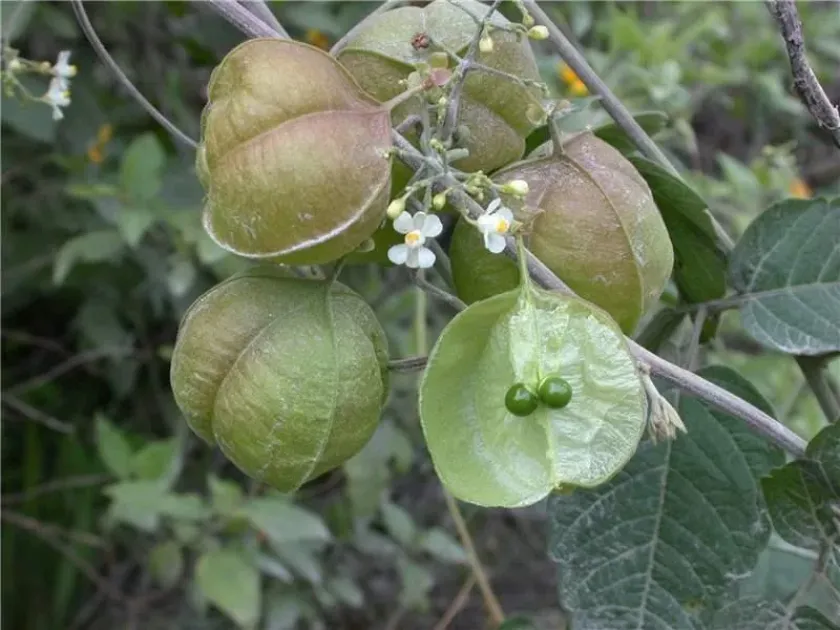
Description
Sowing dates
Cardiospermum microcarpum is a tropical climbing plant that requires specific thermal conditions for successful germination. In temperate regions, sowing should only occur after all risks of frost have passed and soil temperatures consistently exceed 15 degrees Celsius.
For optimal results, starting seeds indoors in biodegradable pots 6–8 weeks before the last frost date is highly recommended. This practice ensures that seedlings are robust enough to transplant into the field when environmental conditions stabilize.
Seeds should be sown at a depth of approximately 1 to 1.5 centimeters. Maintaining consistent moisture and a warm environment (around 20–25 degrees Celsius) is critical for breaking seed dormancy and ensuring a uniform emergence rate.
When direct seeding in the field, plants should be spaced at least 30 to 40 centimeters apart. This spacing prevents overcrowding and competition for nutrients, allowing each vine to develop its full vegetative structure.
Pre-soaking seeds in lukewarm water for 12 to 24 hours prior to planting is an effective agricultural practice. This treatment helps soften the seed coat and significantly increases the germination percentage of the crop.
Growing requirements
As a member of the Sapindaceae family, Cardiospermum microcarpum thrives in full sun conditions. It requires a location that provides ample exposure to direct light throughout the day to support vigorous climbing growth and fruit production.
The plant prefers well-drained, fertile soils with a neutral pH. While it is adaptable to various soil textures, it cannot tolerate waterlogging, which often leads to root rot; therefore, good site selection or soil amendment is essential.
Support structures are mandatory for this climbing vine. Utilizing trellises, netting, or natural supports is necessary to elevate the foliage and fruits off the ground, which improves air circulation and plant health.
Regular irrigation is necessary to support the plant's rapid growth cycle, especially during hot and dry spells. While the plant can tolerate short periods of moderate dryness, consistent soil moisture leads to a more abundant fruit set.
Nutrition management involves balanced fertilization. An initial application of nitrogenous fertilizers promotes stem elongation, while the subsequent use of potassium and phosphorus is vital for the development of its distinctive inflated seed capsules.
Main diseases and pests
Spider mites and aphids are the most common pests affecting this crop. These insects tend to thrive in dry conditions; thus, monitoring foliage regularly and maintaining appropriate humidity can mitigate the risk of severe infestations.
Fungal issues, particularly root rot, can occur if the drainage system fails or if the crop is planted in low-lying areas. Preventing moisture accumulation in the root zone is the primary defense strategy against these pathogens.
Powdery mildew can infect the leaves during periods of fluctuating temperatures or high humidity. In such cases, the use of organic fungicides or sulfur-based sprays is recommended to protect the crop's photosynthetic surface.
Whiteflies may pose a challenge in greenhouse settings or sheltered environments. The use of yellow sticky traps is a practical management technique to monitor population levels and apply timely interventions.
Adhering to strict sanitary practices and avoiding dense planting configurations significantly reduces the potential for disease spread. Healthy crop rotation is also encouraged to maintain soil fertility and break pest life cycles.
Harvesting
The harvesting process for Cardiospermum microcarpum focuses on the mature seed capsules. These structures should be gathered once they exhibit signs of drying and have achieved their full, characteristic coloration.
Proper timing is crucial; harvesting too early may result in immature seeds with low viability, while delayed harvest may lead to capsule shattering and seed loss in the field.
After collection, the capsules should be air-dried in a shaded, well-ventilated area. Direct sunlight should be avoided during the drying process to maintain the color and structural integrity of the capsules.
Once dried, the seeds are threshed from the capsules. They should be stored in cool, dry conditions, preferably in paper envelopes, to ensure long-term viability and to prevent fungal contamination.
Beyond seed collection for future planting or pharmaceutical research, the dried aerial parts of the vine are highly valued in the decorative floral industry for their unique, light-weight, and balloon-like appearance.