
Cissus-leaf maple
Acer cissifolium
Description
Growing requirements
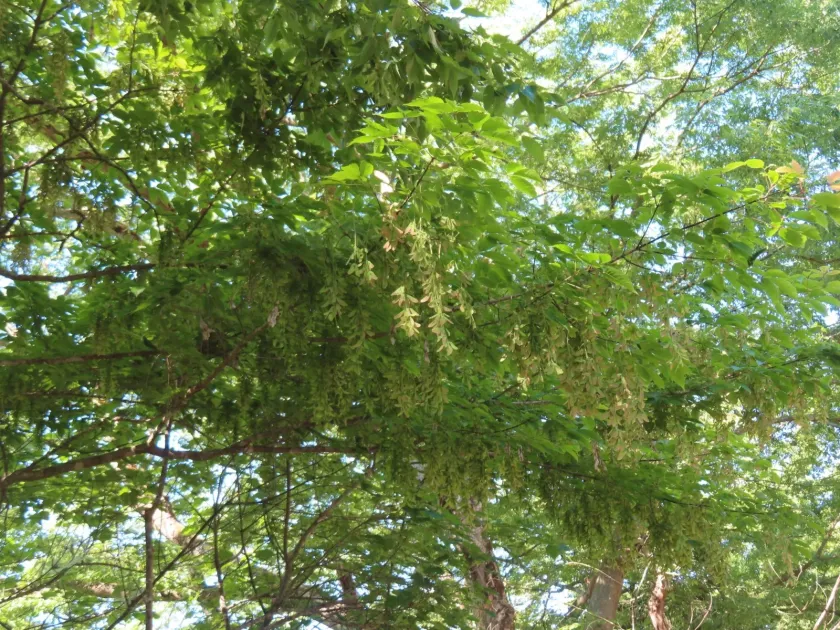
The Cissus-leaf maple (Acer cissifolium) is a distinct species belonging to the Sapindaceae family. It is native to the mountain forests of Japan and is highly prized by collectors and gardeners for its elegant, trifoliate leaves that bear a striking resemblance to those of the Cissus genus.
This species requires well-drained, nutrient-rich soils to thrive. It performs best in a slightly acidic to neutral substrate. Drainage is critical; the root system is prone to damage if the soil remains waterlogged for extended periods, making sandy or loamy textures ideal for its cultivation.
In terms of light exposure, the Cissus-leaf maple prefers full sun to light shade. While full sun is necessary to develop the best autumn color, young saplings may benefit from protection during the hottest part of the day to prevent leaf scorch, especially in drier climates.
Climate adaptability is a key factor; it is generally hardy in temperate regions. However, providing shelter from desiccating winds is beneficial. In cooler zones, applying a thick layer of organic mulch around the base helps stabilize soil temperature and protects the root zone from deep freezes.
Routine horticultural care involves deep watering during prolonged dry spells and an annual application of balanced fertilizer in early spring. Minimal pruning is required, generally restricted to the removal of deadwood or light structural correction performed during the dormant season to avoid sap bleeding.
Main diseases and pests
The species can be susceptible to fungal issues, including powdery mildew and various leaf spots. These are often indicators of poor airflow or excessive humidity within the canopy. Improving site conditions and removing overcrowded branches are effective preventative measures.
Pests such as aphids and spider mites can occasionally affect the vitality of the plant. These insects typically congregate on the undersides of leaves or tender new growth, causing discoloration and reduced growth rates if left unchecked for too long.
Integrated pest management is recommended for maintaining tree health. Using horticultural oils or targeted insecticides early in the season can significantly reduce pest populations before they cause visible damage to the maple's aesthetic foliage.
Winter damage from rodents and hares is a significant concern for younger trees. Protecting the lower trunk with wire mesh guards is a standard and necessary practice to prevent girdling, which can be fatal if the bark is stripped around the entire circumference.
Maintaining tree vigor through proper site selection and adequate moisture management is the first line of defense. A healthy, stress-free specimen is naturally more resilient to environmental pressures and opportunistic pathogens than one struggling with poor soil or lack of water.