
Chinese oblong-leaf maple
Acer sino-oblongum
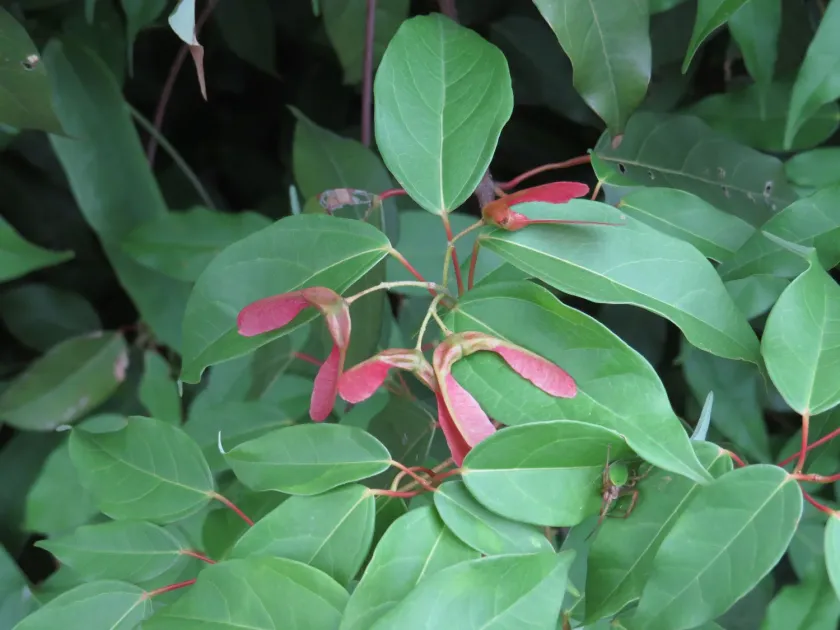
Description
Growing requirements
The Chinese oblong-leaf maple (Acer sino-oblongum) belongs to the Sapindaceae family. It is a distinctive botanical species characterized by its evergreen foliage, which distinguishes it significantly from the majority of deciduous maple trees commonly found in temperate zones.
This species originates from the subtropical regions of southern and central China. It typically grows in moist forest environments at elevations ranging from 500 to 1,500 meters, where the climate is characterized by mild winters and high annual precipitation levels.
To ensure successful growth, this maple requires well-drained, nutrient-rich soils with a slightly acidic to neutral pH. It is highly sensitive to soil compaction and drought, necessitating consistent irrigation practices to maintain optimal turgor pressure in its evergreen leaves.
In terms of light exposure, the species thrives best in partial shade, especially during the early stages of development. While mature trees may tolerate more sun, protecting them from intense afternoon light prevents leaf scorch and helps preserve the vibrant green color of the canopy.
The primary horticultural use of this tree is in landscape architecture and park design, particularly in regions with mild winters. Its unique year-round foliage makes it an excellent choice for ornamental screens or as a focal point in specialized botanical collections.
Main diseases and pests
The species can be susceptible to common maple pests, including scale insects, aphids, and mites. If left untreated, these infestations can lead to reduced vigor and stunted growth, particularly in young saplings or specimens planted in suboptimal, overly dry conditions.
Fungal pathogens such as powdery mildew or leaf spot diseases may occur, particularly in environments with poor air circulation. Proper maintenance, including regular pruning to improve canopy aeration and the removal of infected debris, is essential for maintaining plant health.