
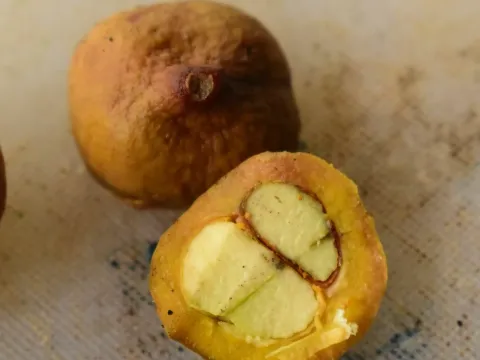
Castanospora
Castanospora
Castanospora is a botanical genus within the Sapindaceae family, representing unique tropical trees characterized by specific morphological and physiological traits.
What the section contains

Castanospora
Sowing requires careful selection of viable seeds, which are often characterized by a hard seed coat that necessitates mechanical scarification to improve germination rates.
The optimal germination medium is a mixture of peat, perlite, and vermiculite, providing necessary moisture retention while maintaining sufficient aeration for developing roots.
Sowing depth should be approximately twice the diameter of the seed, ensuring the seedling has adequate energy to emerge while being protected from soil crusting.
Initial growth stages are slow, requiring controlled nursery conditions where temperature and humidity are maintained at consistent tropical levels.
This crop thrives in deep, fertile soils with excellent drainage, as the species is highly susceptible to root damage in waterlogged or heavy clay environments.
The plant requires high solar exposure but benefits from light shade during the seedling stage to avoid physiological stress from direct, intense tropical sun.
Watering must be calibrated to the phenological stage of the plant, increasing during the peak growth season and reducing significantly during any dormant periods.
Nutrient management focuses on balanced NPK applications, supplemented with micronutrients to support complex enzymatic processes within the plant tissues.
Consistent environmental monitoring is essential to ensure that the microclimate remains within the preferred range for sustained metabolic activity and vegetative development.
Productivity in Castanospora plantations is largely dependent on the age of the trees, with mature specimens demonstrating significantly higher biomass production.
Optimizing plant spacing is a critical factor for yield, as excessive competition for light and nutrients can severely inhibit individual tree development and overall output.
Consistent pruning and canopy management practices help redistribute energy towards productive branches, thereby increasing the harvest potential of the grove.
Yield estimates are often based on canopy volume and healthy leaf surface area, which are direct indicators of the tree's photosynthetic capacity and stored energy reserves.
Ongoing research into cultivar selection aims to improve yields through the identification of high-performing genotypes adapted to specific regional climatic conditions.
Pest pressure is a major concern, particularly from sap-sucking insects that can vector viruses and cause premature leaf drop if infestations remain unchecked.
Fungal pathogens represent a primary threat in humid climates, often necessitating proactive application of copper-based fungicides to protect the foliage and woody parts.
Management of invasive species in the surrounding area is important to minimize the risk of secondary pest migration into the Castanospora plantation.
Regular inspections of the root system are necessary to identify early symptoms of fungal decay, which often occurs if drainage infrastructure fails during monsoon seasons.
Implementing a strict hygiene protocol, including the sanitation of tools and the removal of infected debris, is fundamental for maintaining the long-term health of the crop.