
Catalpa-leaf maple
Acer catalpifolium
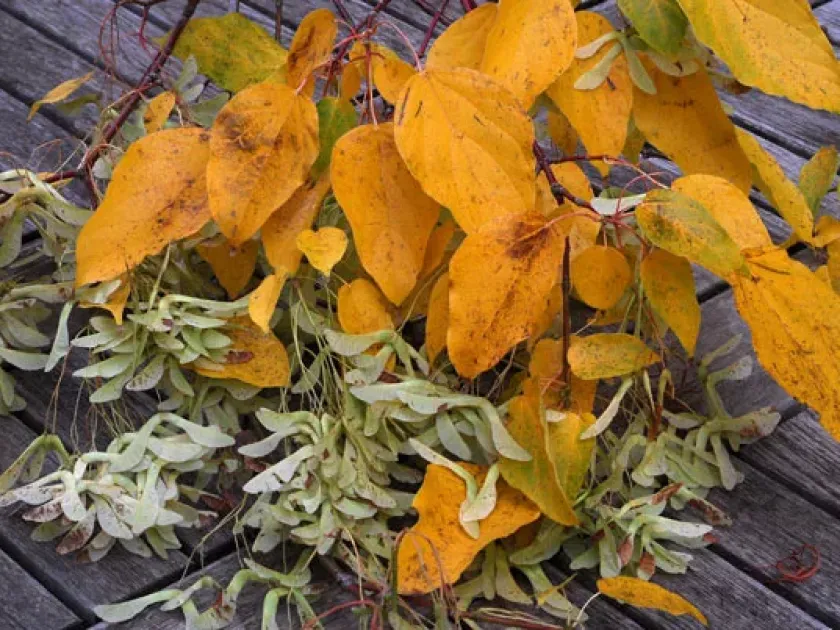
Description
Sowing dates
Propagating the catalpa-leaf maple involves seed stratification, which is essential to simulate winter conditions and break dormancy. Seeds should be kept in cool, moist conditions for approximately three to four months before planting.
Sowing typically takes place in early spring once the soil has sufficiently thawed. Seeds are placed in a well-draining seedbed at a depth of about two centimeters to ensure optimal contact with the soil and sufficient moisture retention.
During the germination phase, it is crucial to keep the soil consistently moist but not waterlogged. Providing a light shade or protection from intense sunlight helps prevent the delicate seedlings from dehydrating during their early stages of development.
Once the seedlings have produced their first true leaves, they can be thinned out to ensure that each plant has enough space for proper root and shoot expansion. Careful handling during this period is necessary to avoid damaging the fragile young roots.
Transplanting into larger containers or permanent nursery beds should be done when the plants are dormant or just before the spring growth cycle. This allows the root system to establish itself before the heat of summer arrives.
Growing requirements
The catalpa-leaf maple, native to the mountain regions of China, thrives in cool and temperate climates within the Sapindaceae family. It is best suited for environments that offer protection from extreme temperature fluctuations.
The tree requires fertile, humus-rich soil with excellent drainage properties to prevent root rot. It is sensitive to heavy, compacted soils that do not allow for adequate aeration, which can lead to stunted growth and poor vitality.
While the tree can tolerate full sun in cool climates, it prefers partial shade or dappled light in warmer regions to avoid scorching its leaves. It is an ideal specimen for woodland settings or areas protected from drying winds.
Consistent soil moisture is key for healthy growth, especially during the active growing season. Applying organic mulch around the base of the tree helps regulate soil temperature and retain essential moisture throughout the summer months.
Pruning should be limited to the removal of dead or crossing branches to maintain the tree's natural form. This species generally benefits from minimal intervention, allowing it to develop its characteristic aesthetic structure over time.
Main diseases and pests
Powdery mildew represents a common fungal threat, particularly in humid and stagnant air conditions. Proper spacing between trees and thinning the canopy are effective strategies to promote airflow and reduce humidity levels.
Pests such as mites and aphids may infest the foliage, especially when the tree is stressed by drought or poor soil conditions. Early detection through regular inspections allows for targeted management using ecological pest control methods.
Verticillium wilt is a serious concern for many maple species, as it infects the vascular system and causes sudden dieback. Prevention is the best strategy, which includes maintaining soil health and using disease-free planting stock.
Mechanical damage to the trunk or branches can create entry points for pathogens and wood-rotting fungi. Gardeners should exercise caution when using lawn equipment near the base of the tree to avoid scarring the bark.
Sanitation practices, such as removing and disposing of diseased leaf litter, are essential to break the life cycle of fungal spores. By keeping the site clean, growers significantly lower the incidence of recurring tree diseases each year.