
Dionysia aretioides
Dionysia aretioides (Lehm.) Boiss.
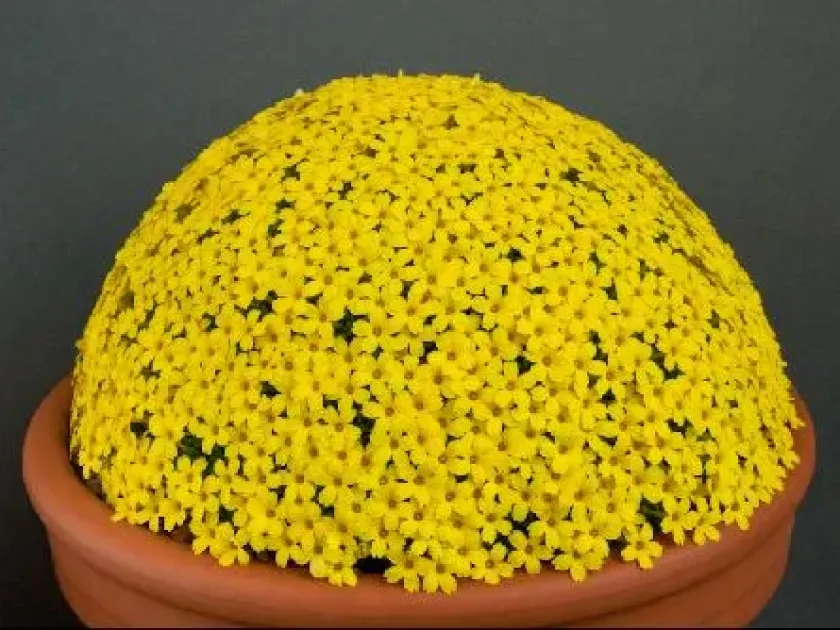
Description
Sowing dates
Propagation of Dionysia aretioides by seed is a challenging task that requires long periods of cold stratification to overcome natural dormancy.
Sowing should be performed in early spring using a very lean, mineral-based substrate composed primarily of grit or sharp sand.
Seedlings are extremely fragile and slow-growing, necessitating a stable environment protected from drying out or becoming waterlogged.
Cuttings are often preferred for cloning mature cushions; take small rosettes during the summer months and insert them into a porous medium.
Rooting cuttings requires a cool, humid, and well-ventilated atmosphere, as high temperatures often lead to the rapid desiccation of the plant tissue.
Growing requirements
Dionysia aretioides is a member of the Primulaceae family, characterized by its dense, cushion-forming habit native to the rugged cliffs of Northern Iran.
Successful cultivation relies on mimicking its natural environment: highly porous soil, excellent drainage, and a strictly controlled watering regimen.
The potting mix must be predominantly inorganic, ideally incorporating limestone chippings to reflect the plant's affinity for calcium-rich cliff habitats.
Exposure to bright light is essential for maintaining the compact shape of the cushion; however, intense midday sun can cause scorching of the leaves.
The plant thrives in cool, alpine-like conditions and requires protection from heavy autumn and winter rains to prevent rotting of the dense rosettes.
Main diseases and pests
Root rot and crown rot represent the most significant threats to Dionysia aretioides, usually triggered by poor drainage or excessive humidity around the stem.
The dense structure of the cushion makes it prone to moisture accumulation, which quickly promotes the growth of fungal pathogens during dormant months.
Spider mites can become a problematic pest in dry, poorly ventilated conditions, leading to discoloration and a decline in the plant's overall vigor.
Mealybugs are known to nest deep within the crevices of the tight rosettes, where they can be difficult to eradicate without manual removal or systemic treatment.
Proper hygiene, regular inspection, and ensuring a constant flow of fresh air are the primary defenses against these biological threats in a rock garden setting.