
Liparis makinoana
Liparis makinoana
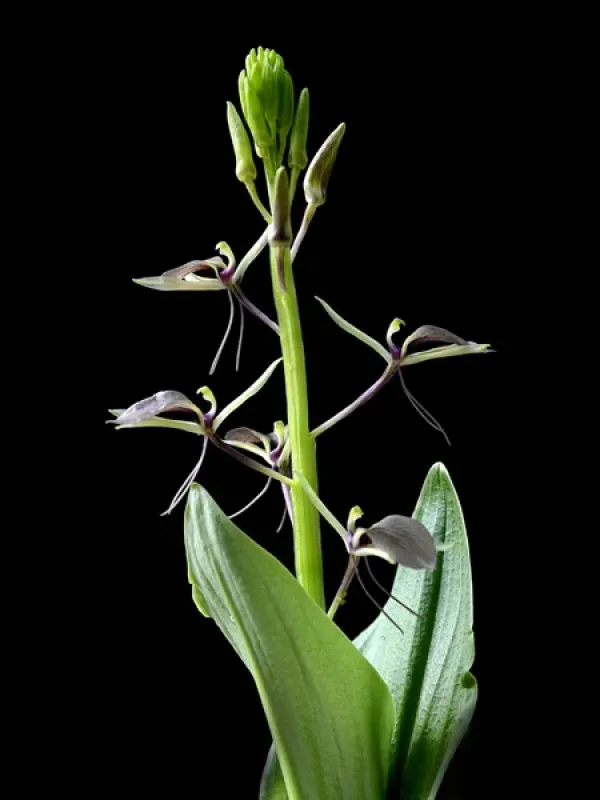
Description
Growing requirements
Liparis makinoana is a perennial herbaceous plant belonging to the Orchidaceae family. It is a terrestrial orchid native to the temperate forest regions of East Asia, primarily documented in Japan, where it thrives in the understory of broad-leaved forests.
Cultivating this species requires precise environmental conditions. It demands high relative humidity but is highly sensitive to waterlogged substrates. Proper air circulation around the root zone is essential to mimic its natural epiphytic-like terrestrial environment.
The substrate must be well-draining, consisting of a mix of fine bark, perlite, and sphagnum moss. This composition provides the necessary aeration and moisture retention while maintaining the slightly acidic pH levels preferred by the orchid for optimal nutrient uptake.
Light management is crucial, as the species is adapted to low-to-moderate light intensity. Direct, harsh sunlight can scorch the leaves and dehydrate the pseudobulbs, so diffused light or dappled shade is the ideal setting for this orchid.
Seasonal care involves distinct periods of active growth and dormancy. During growth, frequent watering is needed, while the dormant period requires a reduction in moisture to allow the plant to recover and initiate new vegetative buds for the next season.
Main diseases and pests
Fungal infections remain the primary threat to the health of Liparis makinoana, often caused by stagnant water or inadequate ventilation. Root rot is a common issue that can destroy the root system quickly if the soil moisture levels are not managed correctly.
Spider mites are the most frequent pests, especially in indoor environments with low humidity. These pests feed on leaf tissue, causing discoloration and weakening the plant's overall vigor, which makes it more susceptible to opportunistic pathogens.
Scale insects and mealybugs can also infest the plant, hiding in the junctions between leaves and the pseudobulb. These pests are difficult to eradicate and require persistent monitoring and the use of targeted systemic insecticides.
Bacterial soft rot can occur if wounds from mechanical damage or pest feeding are exposed to high humidity without proper air movement. This condition can lead to rapid necrosis of the pseudobulbs, requiring immediate removal of affected tissue.
Prevention involves maintaining a sterile growing environment and practicing good hygiene. Ensuring the plant is not overcrowded and providing consistent air movement are the best defensive strategies against both common pathogens and recurring insect infestations.