
Lycaste
Lycaste Lindl.
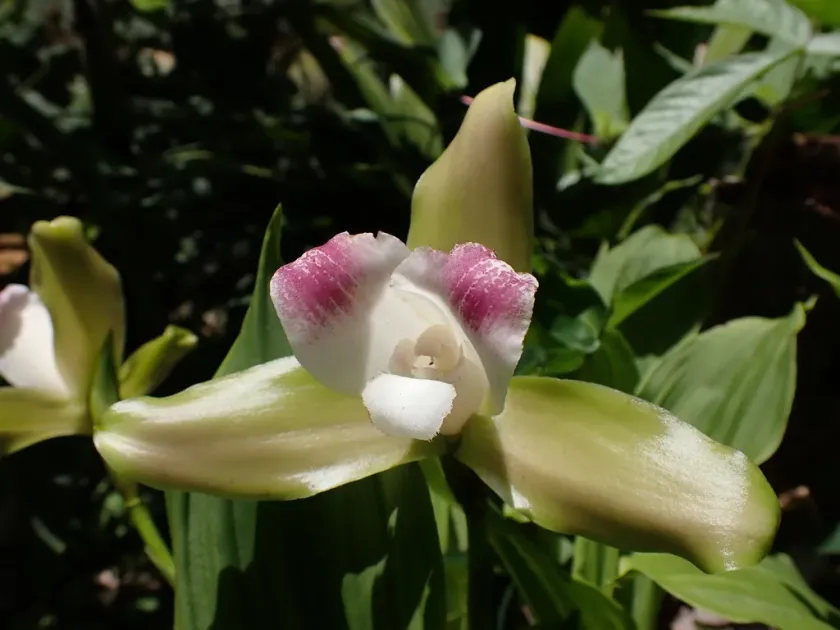
Description
Growing requirements
Lycaste is a distinguished genus of orchids within the family Orchidaceae, native to the tropical regions of Central and South America. These plants are prized by collectors for their large, often fragrant flowers and unique bulbous structures.
Botanically, Lycaste orchids are characterized by clustered, ovoid to conical pseudobulbs, which support large, broad, plicate leaves. Many species are deciduous, losing their leaves during the dry season, which is a key part of their natural growth cycle.
For successful cultivation, a temperate to cool climate is essential. Most species thrive in environments with daytime temperatures around 20–24°C and a significant drop at night, which is crucial for flower initiation and overall health.
The growing medium must be highly porous to ensure rapid drainage while maintaining adequate humidity. A mix of fir bark, perlite, and charcoal is standard for pots, though some species can be grown in hanging baskets or on mounts.
Agrotechnical care focuses on water management. During the active growing phase, plants require frequent watering and regular fertilization. Once the pseudobulbs reach maturity, watering should be reduced to induce a dormant period.
Main diseases and pests
Common pests include spider mites and scale insects, which can quickly dehydrate the leaves and weaken the plant, especially if the air humidity is kept too low for long periods.
Fungal rots, such as black rot, are significant threats to Lycaste. These usually develop when there is insufficient ventilation combined with high humidity, leading to the collapse of the pseudobulbs.
Bacterial soft rot can occur in the leaf axils if water accumulates there during the night. Prevention involves ensuring that the plant foliage is dry before the temperature drops.
Viruses, such as Cymbidium Mosaic Virus, cause leaf chlorosis and growth stunting. Strict sanitation practices, such as sterilizing cutting tools between plants, are mandatory for disease control.
Maintaining a clean growing environment and providing consistent airflow are the primary methods for preventing the establishment of major pathogens and pest populations.