
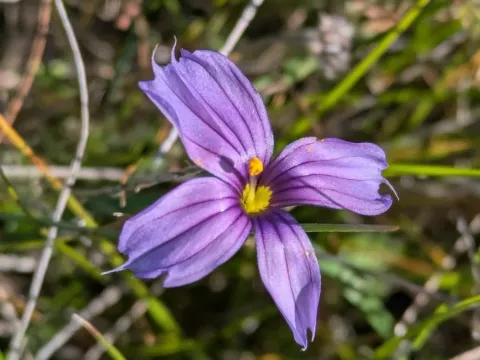
Blue-eyed grass
Sisyrinchium L.
The propagation of Sisyrinchium is primarily performed by seeds or division of mature rhizomes. Seeds require a cold stratification period of approximately one month at temperatures around 4°C to break dormancy effectively.
What the section contains


Blue-eyed grass
For greenhouse sowing, surface the seeds on a sterile, well-draining seed compost and provide light, as they need exposure to germinate successfully. Maintain a consistent temperature of about 15–20°C for optimal results.
Once seedlings have developed their second set of true leaves, they should be transplanted into individual pots to encourage stronger root development. This reduces root competition and ensures a more vigorous specimen.
Division is considered the most reliable method for larger populations. Carefully lift the clump during the dormant season in early spring, divide the rhizomes, and replant immediately into prepared, loose soil.
When sowing directly into the ground in mild climates, choose a well-drained site. Ensure that the soil is kept consistently moist but not waterlogged until the seedlings are firmly established.
Sisyrinchium belongs to the Iridaceae family and thrives in open, sunny locations. While it adapts to various light conditions, full sun is necessary to prevent the foliage from becoming leggy and weak.
The soil profile must be sandy or gritty with excellent drainage characteristics. Heavy clay soils should be heavily amended with coarse grit or sand to prevent water stagnation, which is the primary cause of failure.
Soil pH should ideally be neutral or slightly acidic. If the garden soil is overly alkaline, incorporating organic compost can help improve nutrient availability and soil structure over time.
Watering requirements are moderate; the plant is drought-tolerant once established but benefits from consistent moisture during the blooming period to prolong the flowering duration.
Winter hardiness varies by species, but most are hardy in temperate zones. In colder regions, applying a thin layer of mulch helps insulate the rhizomes from rapid temperature fluctuations during freezing weather.
Root rot is the most significant threat to the health of Sisyrinchium, occurring primarily in poorly drained or waterlogged soils. Early detection involves inspecting the base of the plant for signs of discoloration or softness.
Fungal leaf spot may develop in areas with high humidity and poor airflow. Managing the density of plantings and ensuring good ventilation are key preventative measures against these pathogens.
Slugs and snails can cause damage to the foliage during the wet spring months. Implementing physical barriers or using organic-certified slug pellets around the base is often sufficient to prevent severe damage.
Aphid infestations may occur on flower stems, leading to stunted growth. If found, a gentle wash with a mild insecticidal soap solution usually provides effective control without causing damage to the plant.
Regular monitoring for environmental stress is essential. If the plant shows signs of chlorosis or wilting, evaluate the moisture levels and ensure that the root system is not suffering from soil compaction.