
Idaho blue-eyed grass
Sisyrinchium idahoense
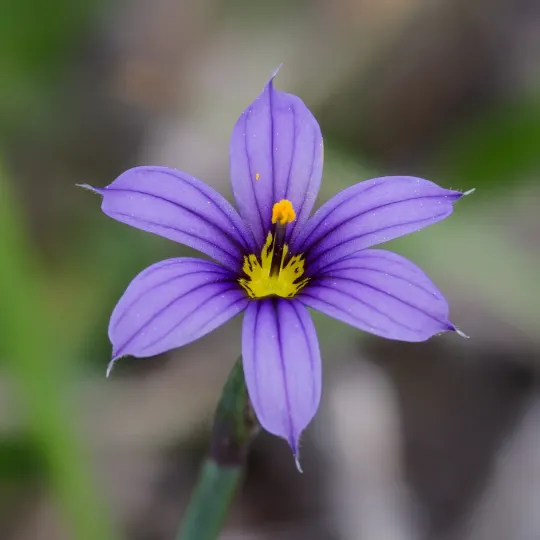
Description
Sowing dates
Sisyrinchium idahoense is typically propagated by sowing seeds in the autumn to benefit from natural winter stratification, which is essential for uniform germination.
When sowing in spring, seeds should be stored in cold conditions for at least four weeks to break dormancy before being planted in a light, sandy soil mixture.
The seeds are tiny and should be sown on the surface, requiring light to germinate; covering them with a very thin layer of grit is recommended.
Seedlings should be transplanted into individual pots once they develop their first set of true leaves, ensuring they have enough space for root development.
Proper irrigation during the germination phase is critical, as the soil must remain consistently moist but never waterlogged for the young seedlings to thrive.
Growing requirements
The Idaho blue-eyed grass belongs to the Iridaceae family and is native to moist meadows and woodlands, thriving in environments with high organic content.
This plant performs best in full sun to partial shade, where the cooler temperatures of the morning help protect the delicate flowers from excessive heat.
Well-drained soil is a primary requirement for success; while the plant enjoys moisture, it cannot tolerate standing water, which triggers root rot.
It adapts well to various garden conditions and is often utilized as an edging plant or in naturalistic meadow plantings for a splash of blue-violet color.
The plant is considered hardy and can tolerate various environmental conditions, provided that the soil structure allows for adequate aeration of the roots.
Main diseases and pests
The main pests affecting the plant are aphids, which tend to congregate on the flower stems during the peak of the growing season in late spring.
Fungal infections, such as leaf spot or rust, can occur if the plants are placed too closely together, preventing adequate air circulation around the foliage.
Poor soil drainage is the most significant environmental threat, often leading to crown and root rot that can quickly decimate an established colony.
Integrated pest management, including the use of horticultural soaps, is recommended to manage infestations without harming the plant’s ecological balance.
Maintaining a clean planting area by removing dead leaves at the end of the season helps prevent the overwintering of pathogens in the garden soil.
Harvesting
Harvesting seeds requires careful monitoring of the seed capsules, which should be collected once they start to brown but before they fully split and disperse.
After collection, the capsules should be air-dried in a sheltered, dry location for several days to ensure the seeds are completely mature and dehydrated.
Once dried, the seeds can be easily threshed from the capsules, cleaned of debris, and stored in envelopes in a cool, dry place until the next planting season.
Deadheading the faded flowers not only improves the visual appeal of the planting but also diverts the plant's resources back into foliage and root growth.
Proper harvesting practices ensure a continuous supply of viable seeds for expanding the garden display while maintaining the vigor of the parent plant.