
Atlantic blue-eyed grass
Sisyrinchium atlanticum E. P. Bicknell
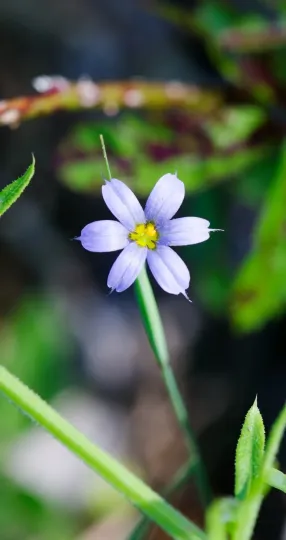
Description
Sowing dates
Sowing seeds of Sisyrinchium atlanticum is most effective when done in late autumn for winter stratification or in early spring after chilling the seeds for several weeks.
For container-grown seedlings, use a well-draining seed starting mix and maintain temperatures around 18–20 degrees Celsius to encourage germination.
Seedlings should be pricked out into individual pots once they reach the two-leaf stage, ensuring they have enough space to develop robust roots.
When transplanting into the garden, spacing the plants about 15–20 centimeters apart helps to maintain air circulation and prevents overcrowding.
Division of mature clumps is an efficient method for propagation and can be carried out every few years to rejuvenate older plant stands.
Growing requirements
Sisyrinchium atlanticum, a member of the Iridaceae family, originates from North America and is widely appreciated for its slender foliage and charming flowers.
This species thrives in sunny locations but can tolerate partial shade, making it a versatile choice for various garden settings including rockeries and borders.
It prefers moist but well-drained soil rich in organic matter, avoiding areas where water tends to pool, as excessive moisture can cause the rhizomes to rot.
While relatively hardy, the plant benefits from a light layer of mulch in colder regions to protect the base from extreme temperature fluctuations.
Regular watering is essential during dry spells to ensure the plant remains vigorous and continues to produce its characteristic blue flowers throughout the season.
Main diseases and pests
The plant is generally robust and rarely suffers from severe pest issues, provided it is grown under suitable ecological conditions.
In humid environments, fungal leaf spots may occur; ensuring adequate space between plants can help reduce the incidence of such diseases.
Slugs and snails are the most common pests, particularly for young plants in early spring, as they are attracted to the succulent-like foliage.
Implementation of good garden hygiene, such as removing debris and dead foliage, is a highly effective way to prevent the spread of diseases.
If necessary, organic methods or targeted treatments can be employed to control pest populations while preserving the safety of surrounding plants.